The future of performance cars isn't just electric. It's becoming downright unbelievable.
Imagine a vehicle that produces more downforce than its own weight while standing still, accelerates to 100 kmph in around 1.5 seconds, breaks records previously held by Formula 1 machinery, and can even drive upside down.
Sounds like science fiction.
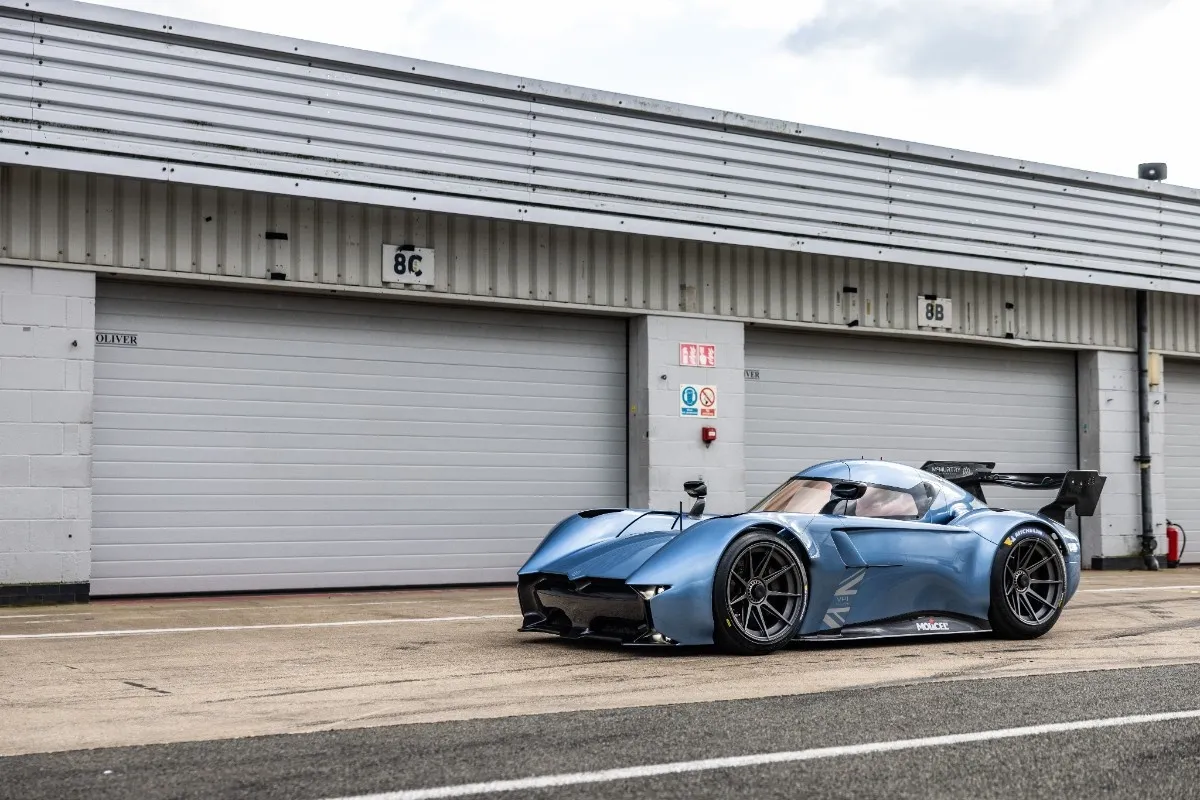
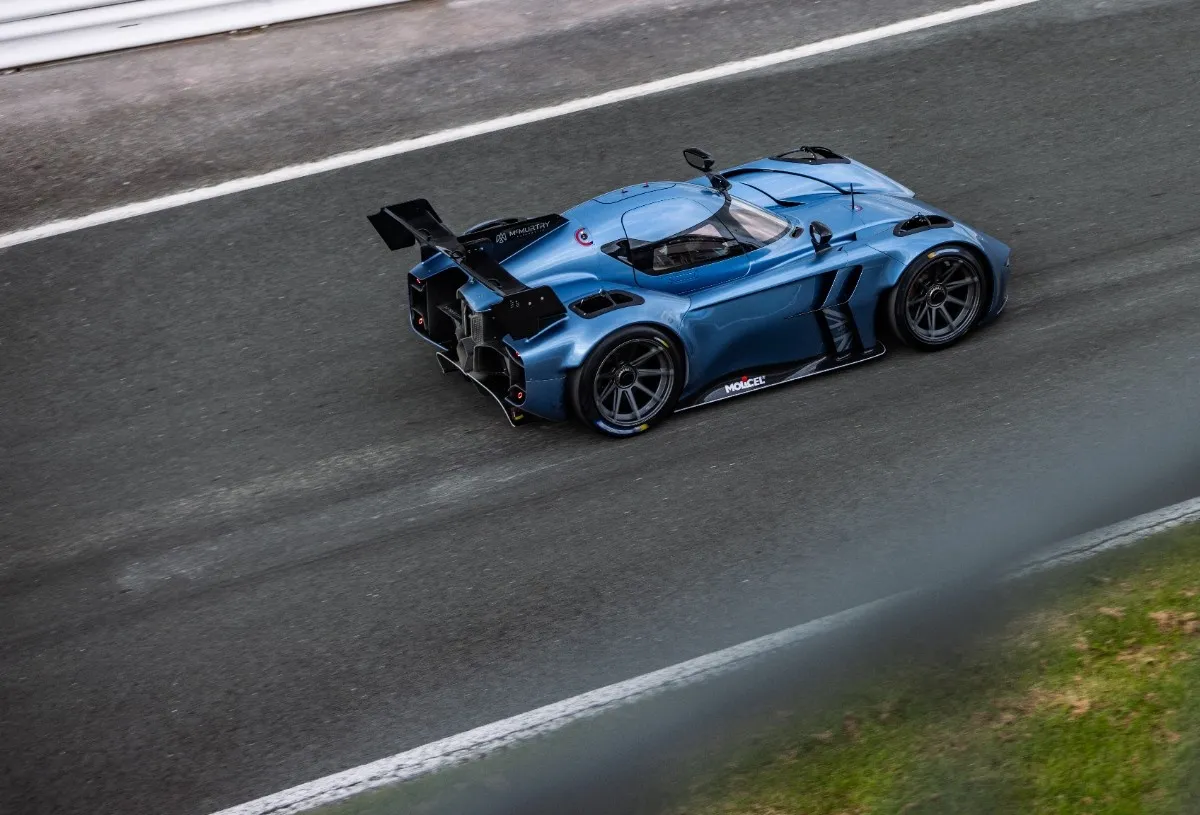
It's real. And it's called the McMurtry Spéirling. Built by British startup McMurtry Automotive, the Spéirling is not just another electric hypercar. It's a demonstration of what happens when engineers completely rethink how performance cars work.
And honestly, it may be the closest thing we've ever seen to a road-going rocket.
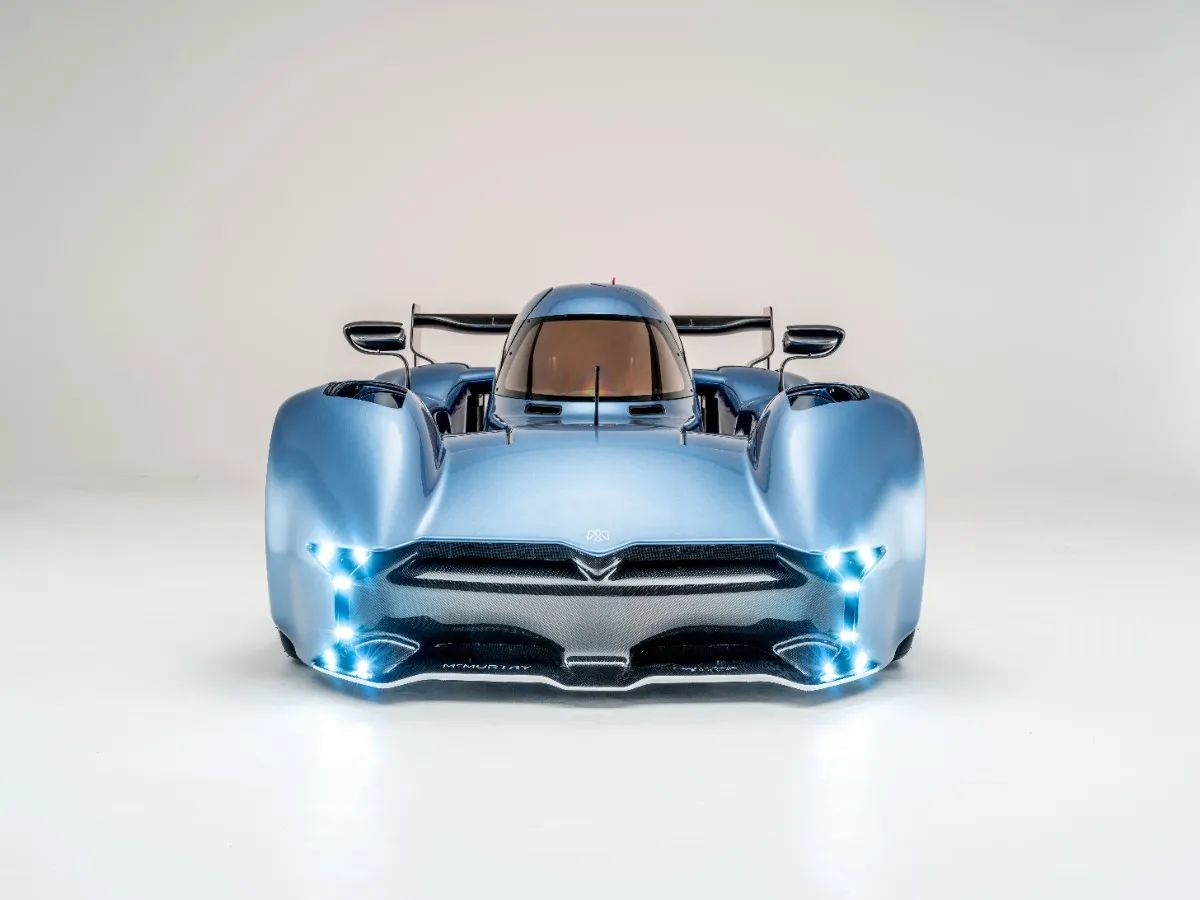
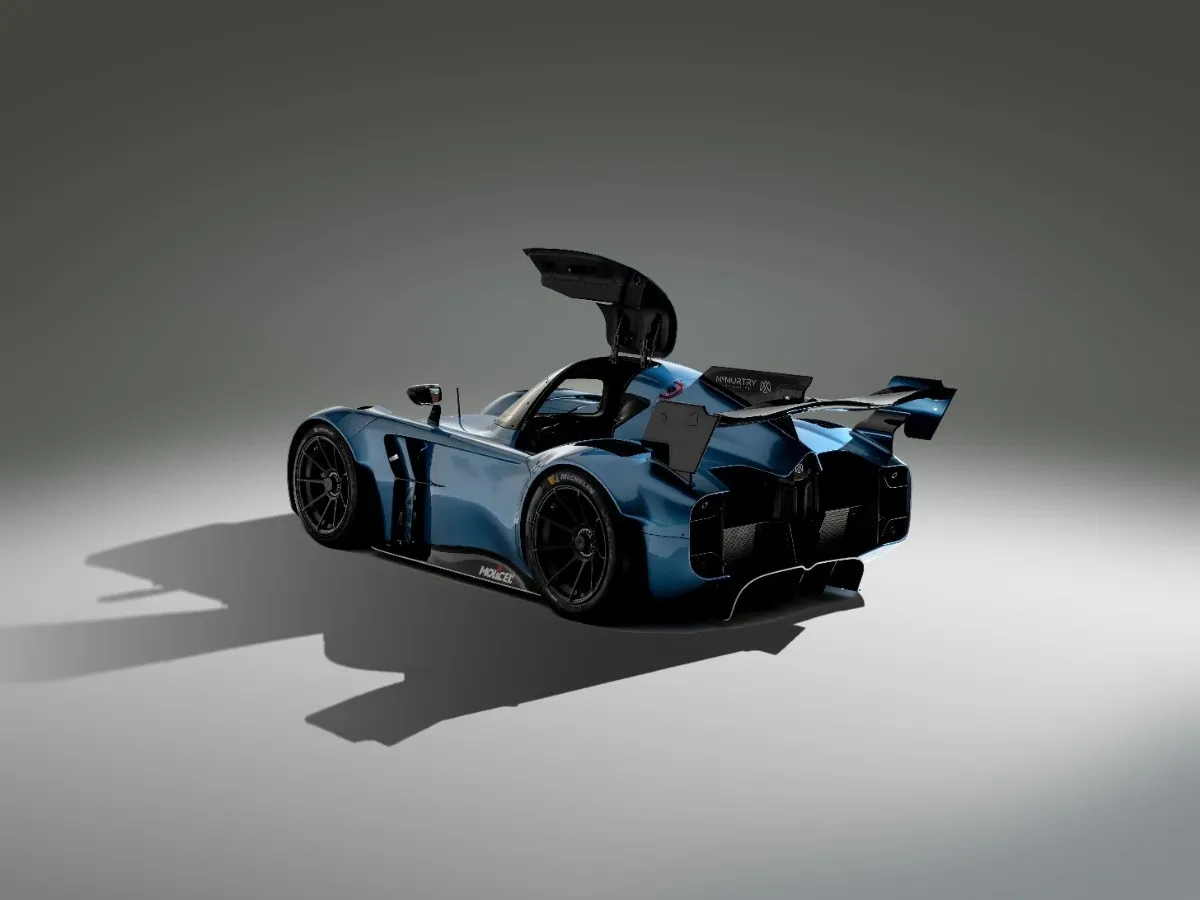
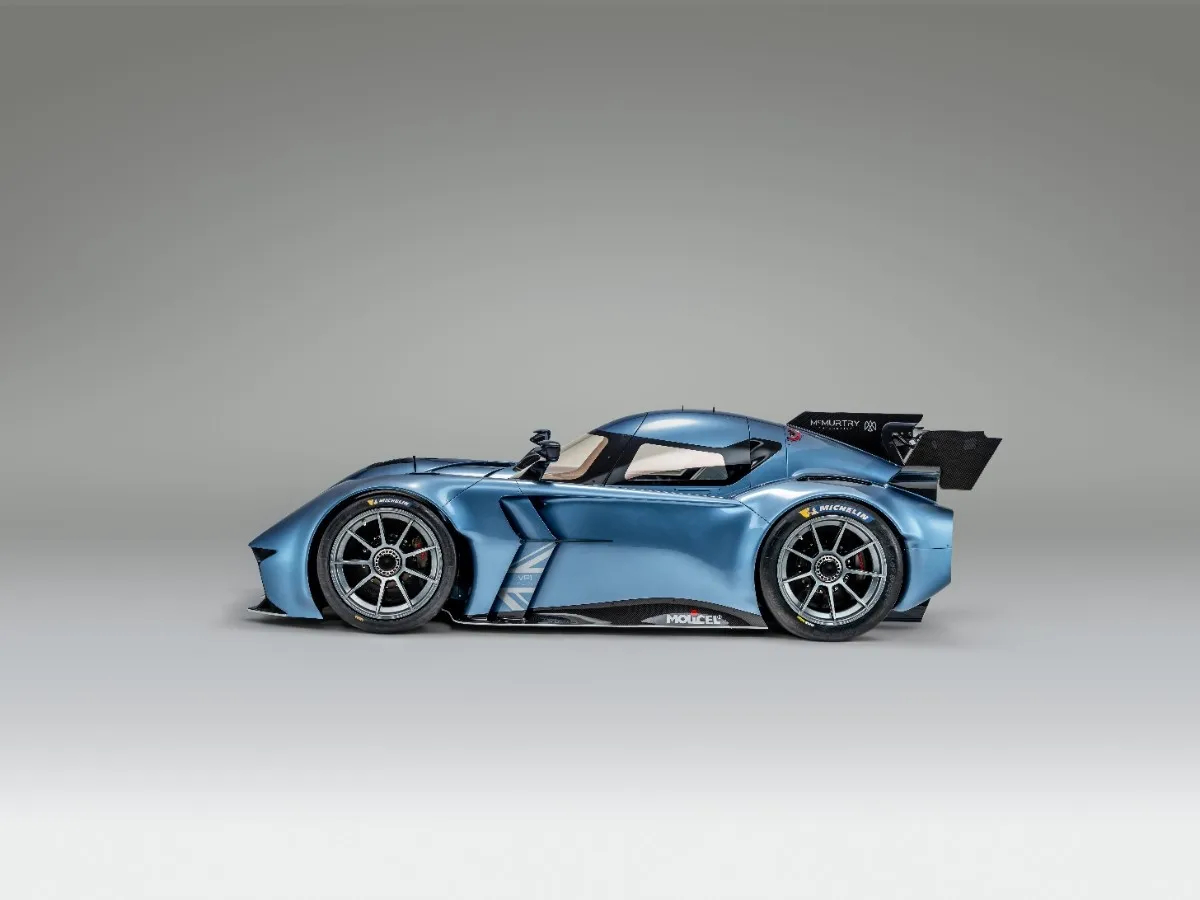
Meet The World's Most Extreme EV
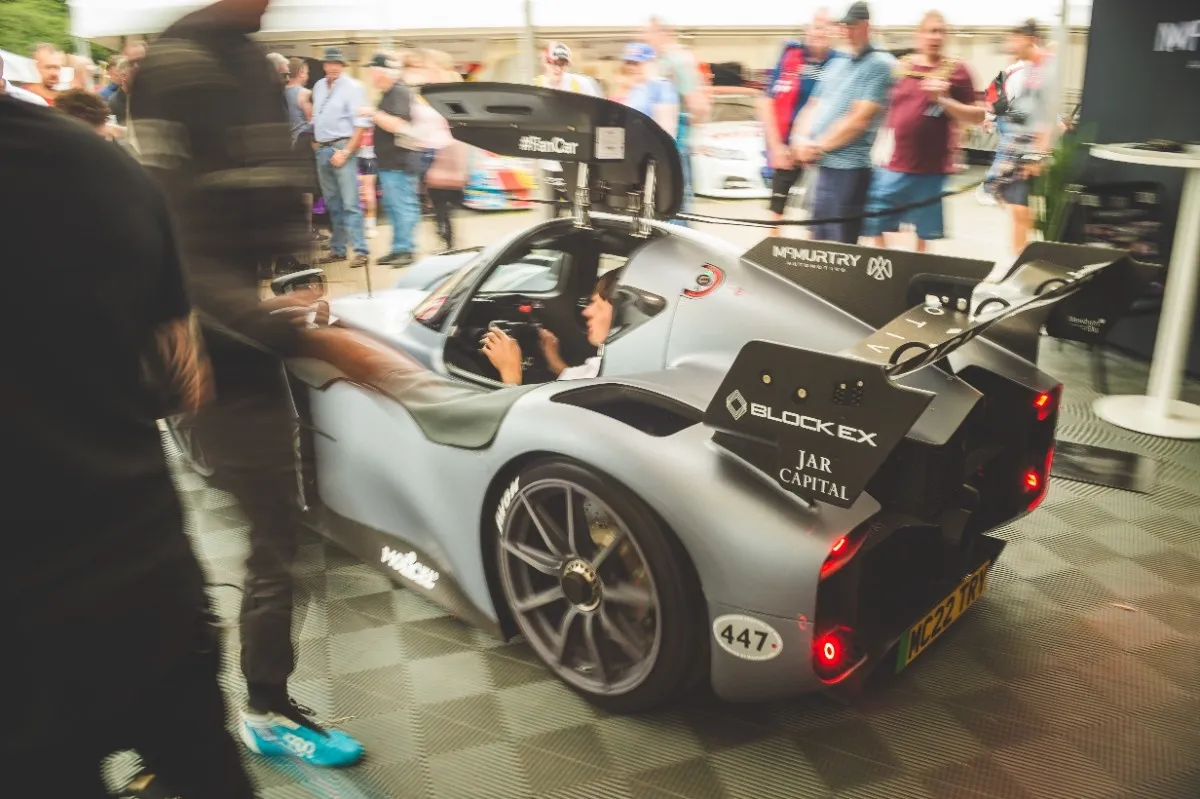
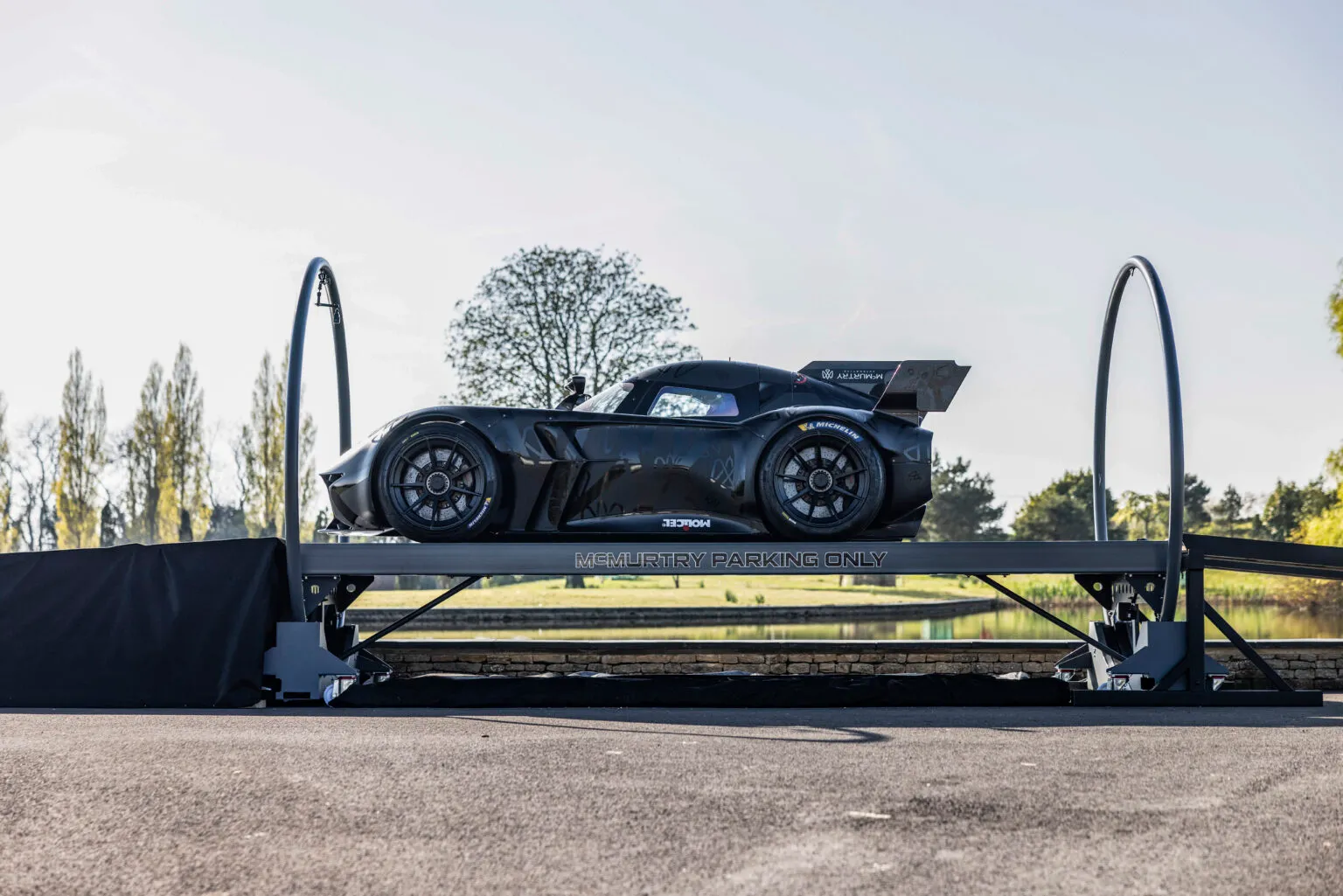
The McMurtry Spéirling is a single-seat, all-electric hypercar producing approximately 1,000 horsepower while weighing just around 1,000-1,300 kg depending on specification. It features a 100 kWh battery pack and can reach speeds of up to 190 mph (306 km/h).
But horsepower isn't what makes it special. The secret lies underneath.
The Technology That Changes Everything: Downforce-On-Demand
Traditional race cars rely on wings and aerodynamics to generate downforce.
There's one problem. The faster you go, the more downforce you get.
At low speeds, even the most advanced supercars don't generate enough aerodynamic grip.
McMurtry solved this problem with a system borrowed from one of motorsport's most controversial inventions: the fan car.
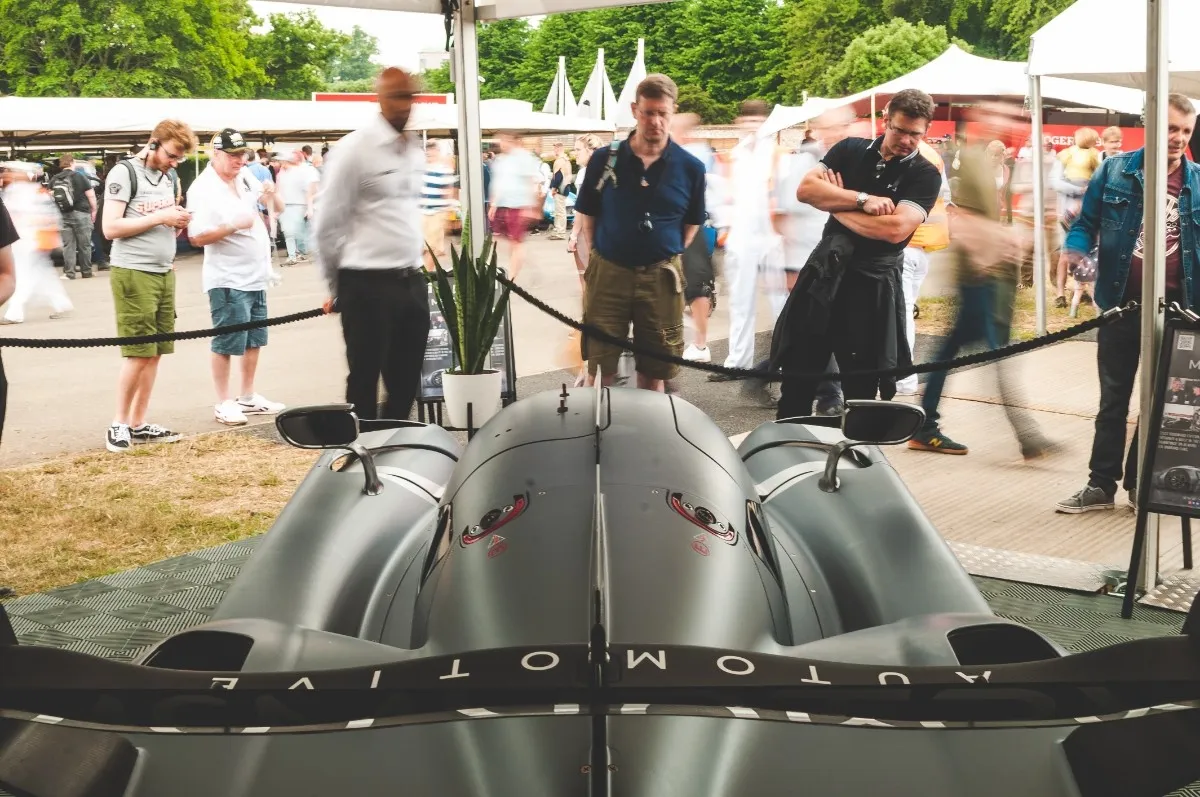
Using twin high-speed fans spinning at roughly 23,000 rpm, the Spéirling actively sucks air from beneath the car, creating a vacuum effect that literally pulls the vehicle onto the track. This generates up to 2,000 kg of downforce from zero mph.
Read that again. The car can create nearly two tonnes of downforce while standing still.
Most race cars need triple-digit speeds to achieve similar grip levels.
The result? The Spéirling doesn't wait for physics to catch up.
It rewrites them.
Why It Accelerates Like A Rocket
Acceleration isn't only about power. It's about traction.
You can have 2,000 horsepower, but if the tires can't transfer that power to the ground, you're just making smoke.
Because the McMurtry generates massive downforce instantly, its tires have extraordinary grip from the moment it launches. The fan-generated vacuum increases the force pressing the tires into the tarmac without adding extra weight. That enables:
0-100 kmph in 1.5 sec (approx).
Quarter-mile in under 8 sec.
Cornering forces of 3G.
Brutal braking performance.
For context, many Formula 1 cars struggle to match that launch performance due to traction limitations.

The Hypercar That Beat Formula 1 Records
The Spéirling first shocked the automotive world when it smashed the long-standing Goodwood Festival of Speed hill climb record.
Then it went on to claim the outright lap record at the famous Top Gear Test Track, beating vehicles that many enthusiasts considered untouchable.
And unlike a Formula 1 car, this isn't a multi-million-dollar racing prototype supported by an army of engineers.
It's a customer vehicle. Limited production, yes.
But a customer vehicle nonetheless.
Wait...Did It Really Drive Upside Down?
Yes. And that's where things get truly insane.
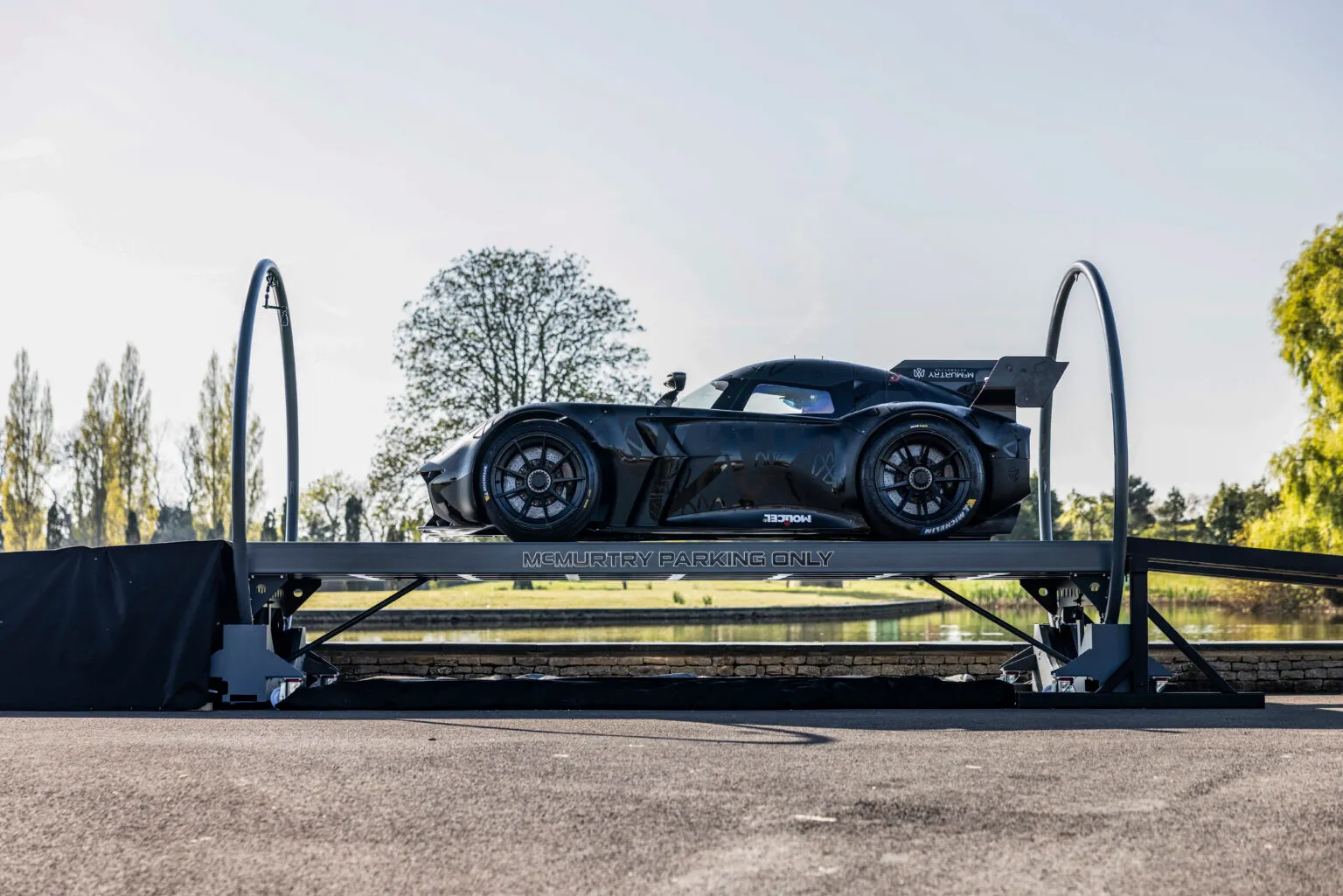
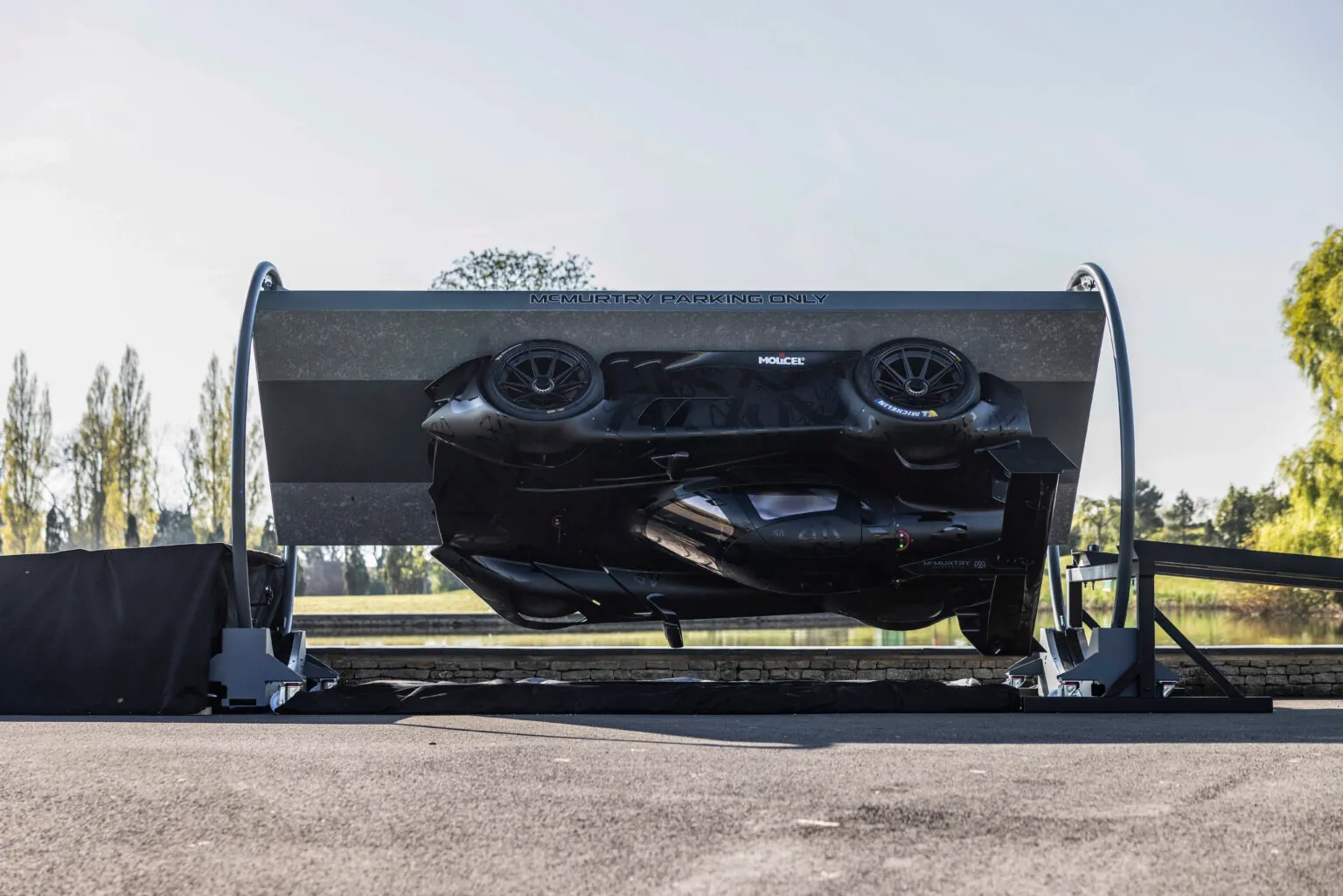
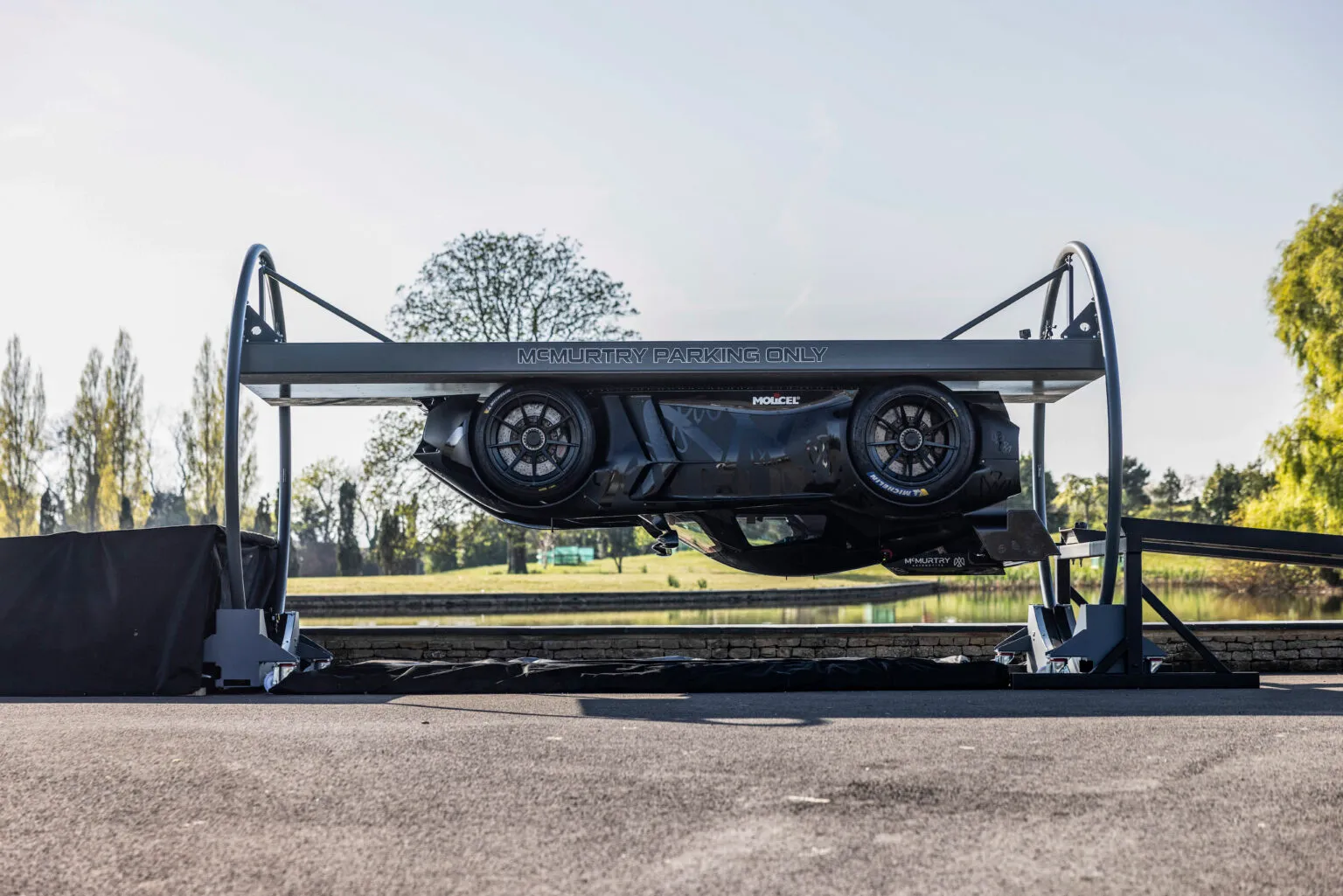
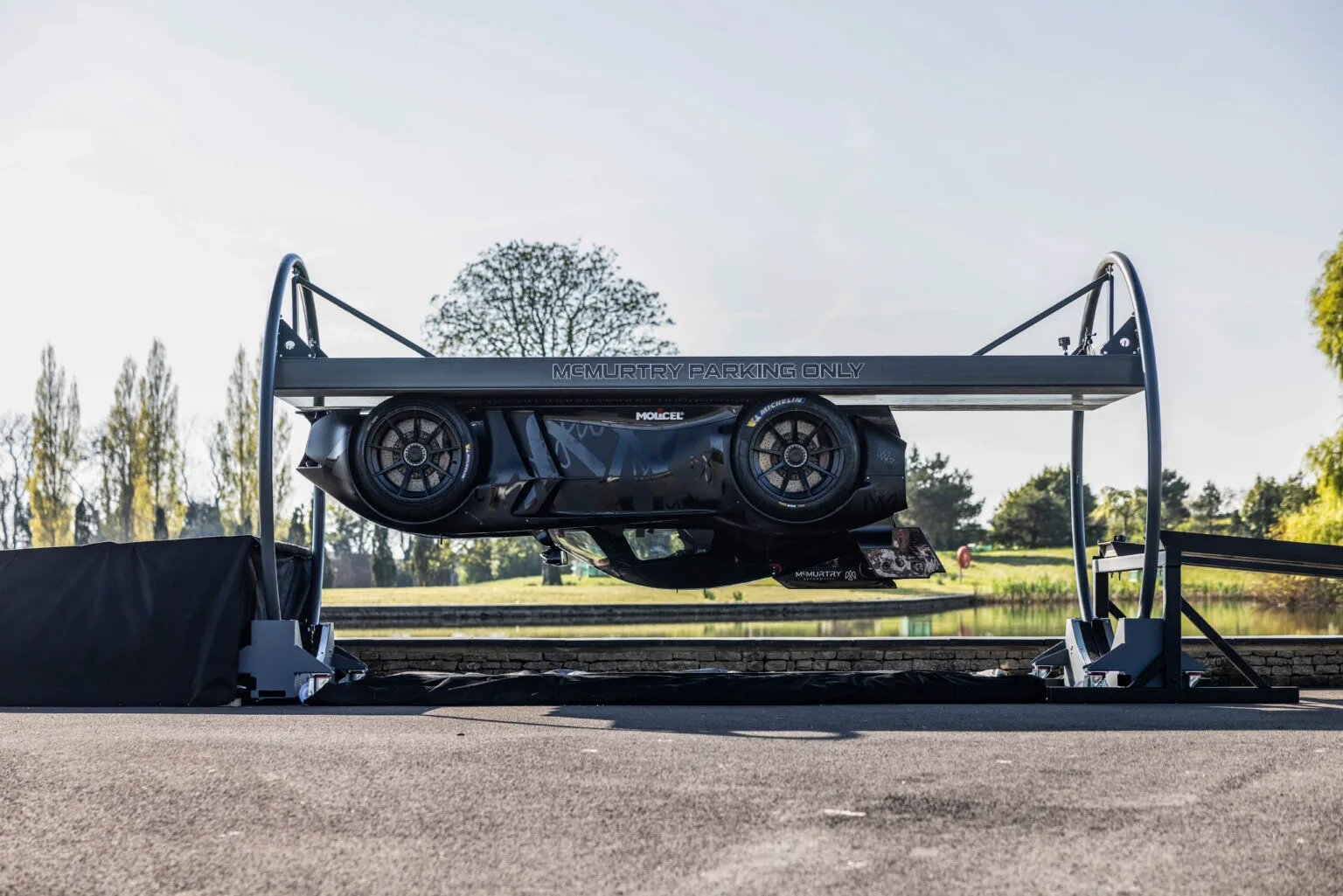
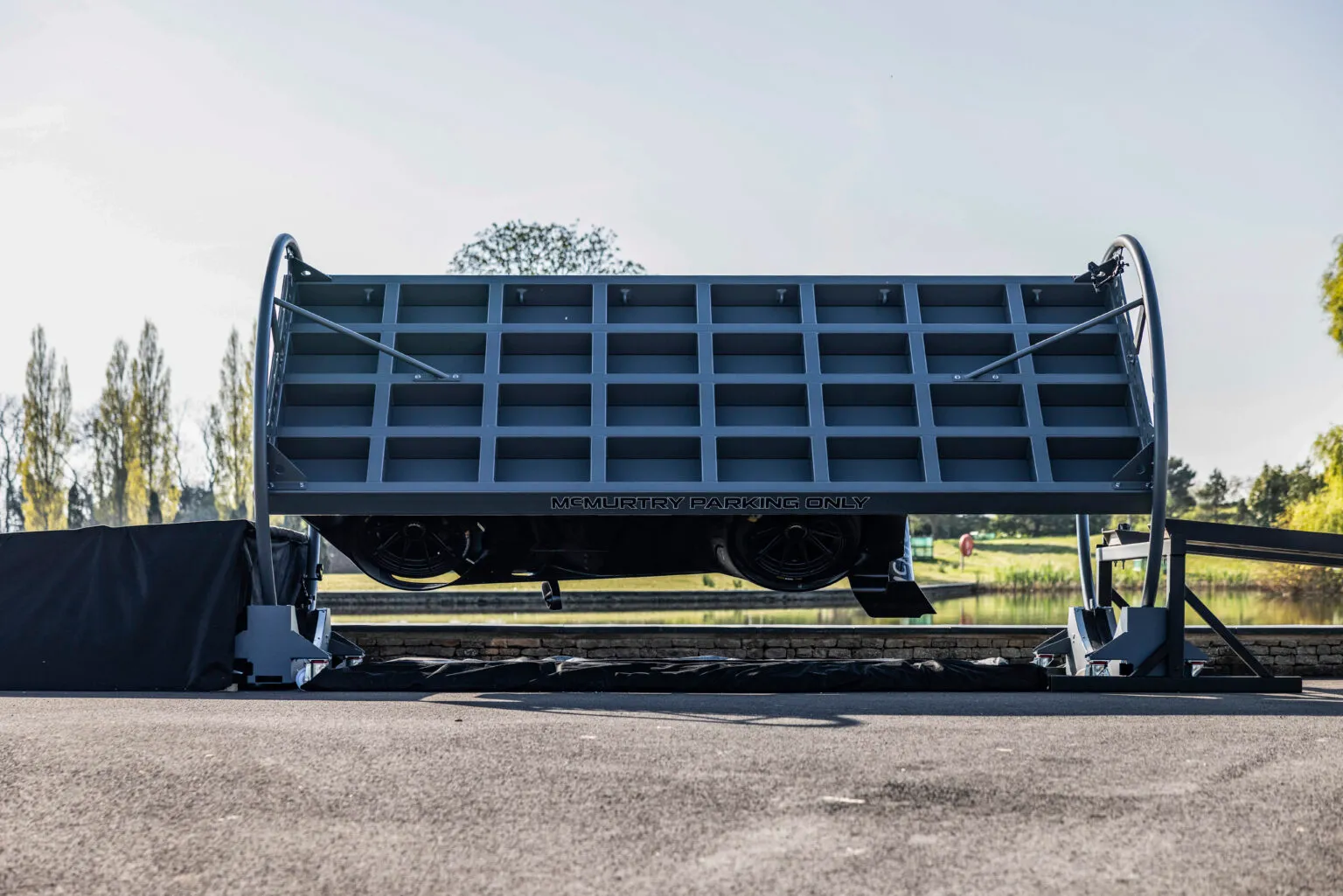
In one of the most remarkable demonstrations of automotive engineering ever attempted, McMurtry successfully drove the Spéirling upside down using only the force generated by its fan system. The downforce created by the fans was sufficient to hold the car against an inverted surface, allowing it to move while completely upside down.
No magnets. No tricks. No CGI. Just physics.
The demonstration proved something engineers already knew: The car's downforce system is so powerful that gravity effectively becomes optional.
A Reminder That EVs Can Be Exciting
One of the biggest myths surrounding electric vehicles is that they lack emotion.
The McMurtry Spéirling destroys that argument.
This isn't an EV trying to imitate a petrol supercar.
It's an EV using the unique advantages of electric propulsion to create an entirely new category of performance machine.
Instant torque.
Precise motor control.
Massive power delivery.
And a fan system that makes conventional aerodynamics look outdated.
This is what happens when engineers stop asking: "How do we replace the engine?"
And start asking: "What can an electric car do that no petrol car ever could?"
Could Fan Cars Be The Future?
Probably not for everyday passenger vehicles.
The complexity, cost, and specialised nature of fan-generated downforce mean it is unlikely to appear on your next family SUV.
However, the technologies developed by companies like McMurtry could influence future performance EVs, race cars, and advanced active-aerodynamics systems.
The company's new technology division has already been created to commercialise some of the innovations developed through the Spéirling programme.
What seems impossible today often becomes mainstream tomorrow.
After all, regenerative braking, torque vectoring, and battery-powered performance once sounded futuristic too.
Final Thoughts
The McMurtry Spéirling isn't merely one of the fastest electric cars ever built.
It's one of the most important.
In an era where most automakers are chasing bigger batteries and higher horsepower figures, McMurtry focused on something far more valuable: Physics.
The result is a machine capable of generating race-car grip at parking-lot speeds, setting records around the world, and literally driving upside down.
If this is what the next generation of electric performance looks like, the future cannot arrive fast enough.
Key Specs At A Glance:
Power: 1000 Hp
Downforce: up to 2000 Kg from 0 km/h.
Dimensions(L|W|H): 3815 mm | 1795 mm | 1056 mm.
Battery: 100kWh Lithium Ion
Top speed: 306 km/h
0-100 km/h: 1.5 seconds.
Cornering Capability: Up to 3G.
Production: Limited to 100 Units.
Starting Price: Approximately £995,000 (₹10.78 crore) before taxes and options.
The McMurtry Spéirling may not be the future of every EV.
But it is a glimpse of what's possible when innovation is allowed to run wild.