After Four Years of Waiting, The Tata Avinya Is Finally Real
When Tata Motors unveiled the Avinya Concept back in 2022, it looked more like a design exercise than a production car. Butterfly doors, futuristic interiors and a minimalist cabin made it feel closer to a concept from CES than something you'd actually drive on Indian roads.
Fast forward to today, and things suddenly feel much more real.
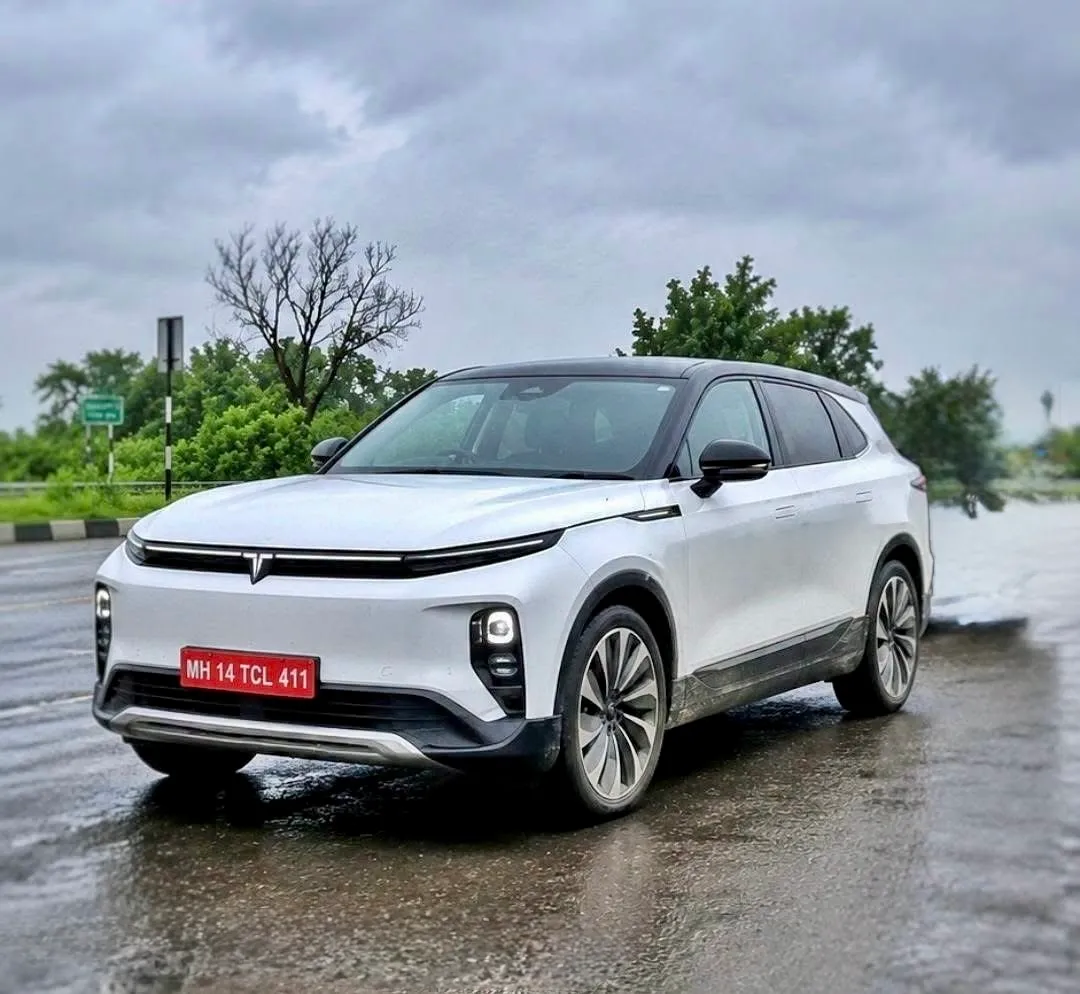
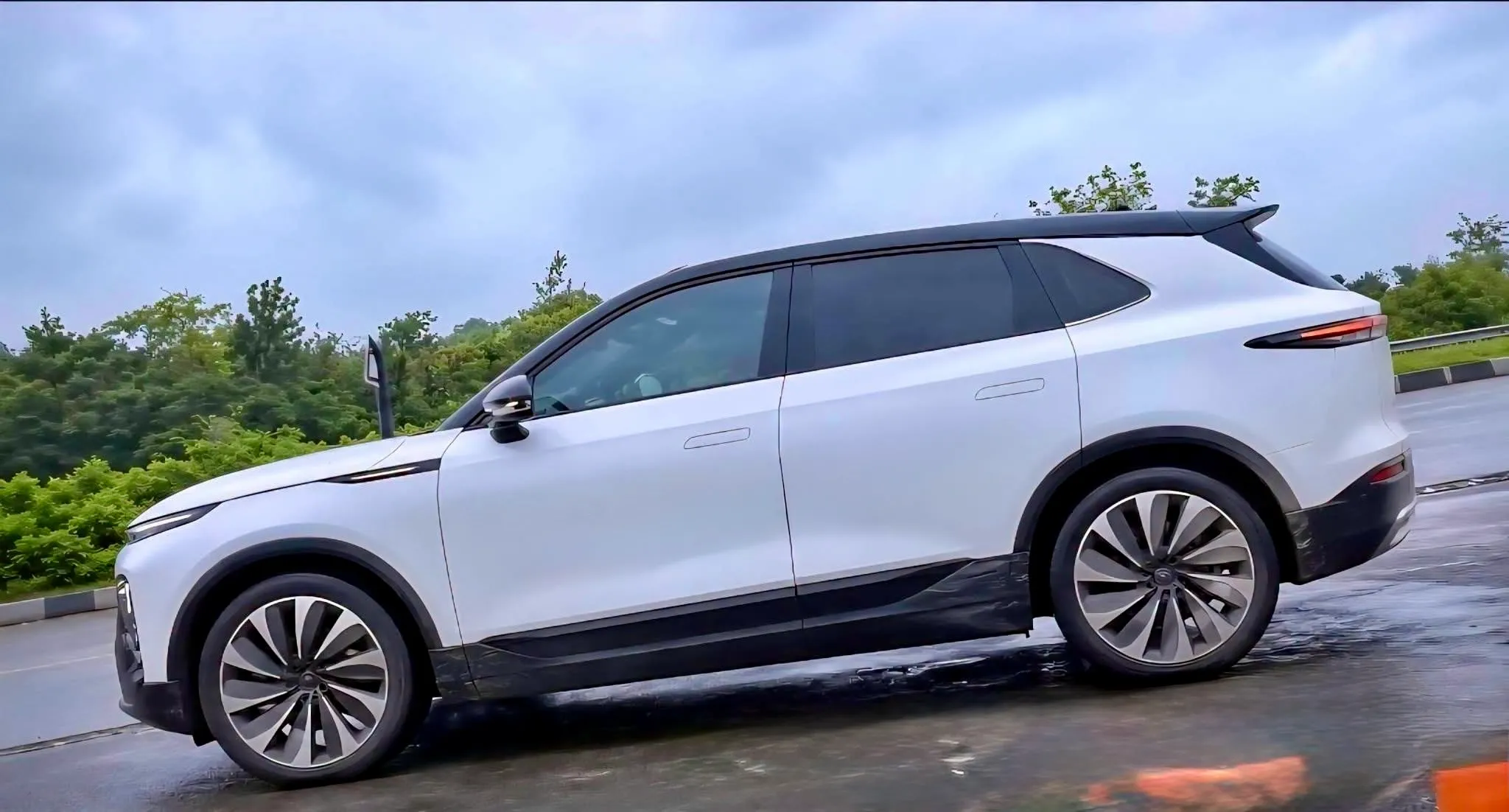
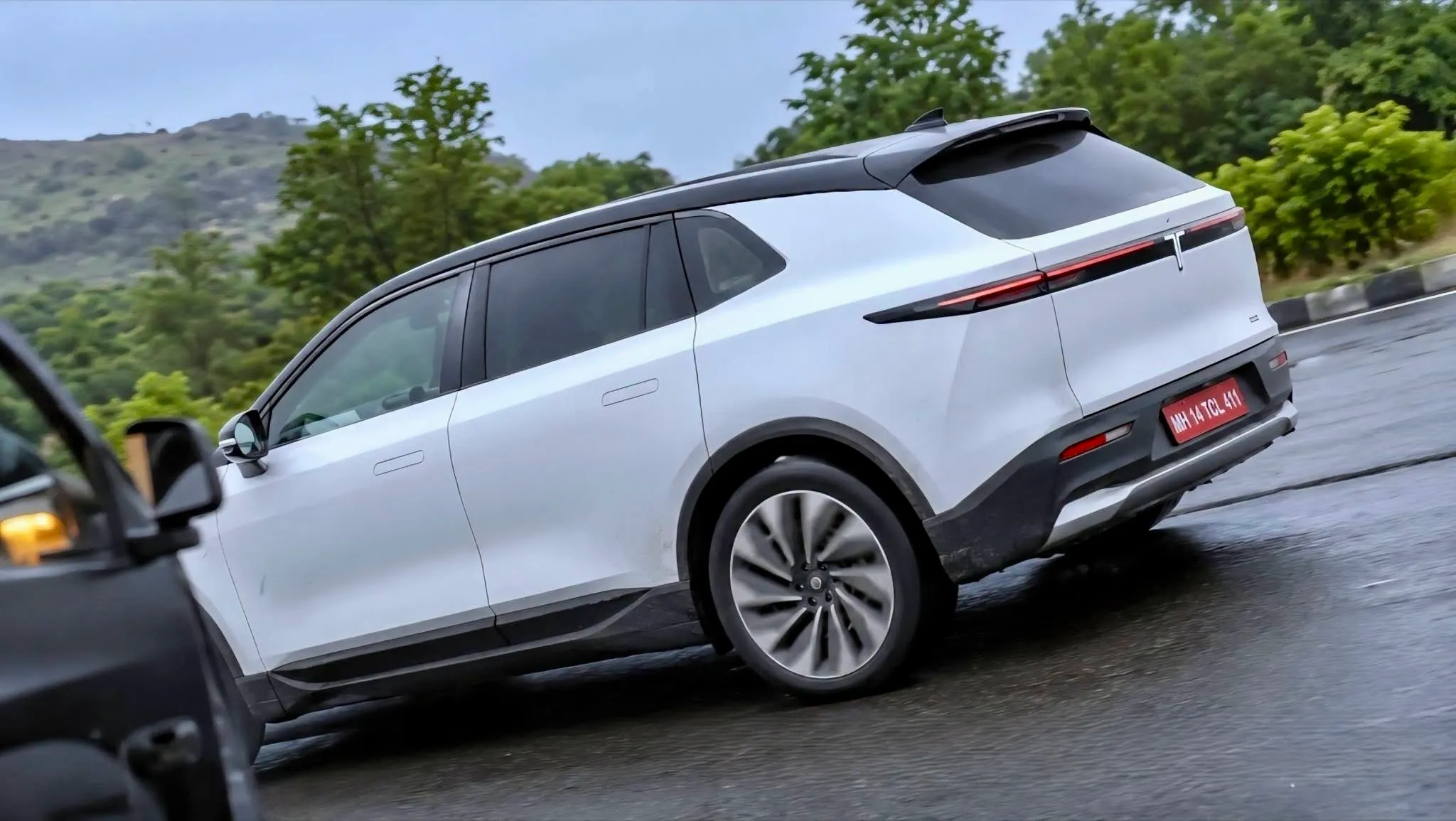
The Tata Avinya has now been spotted testing in India, wearing heavy camouflage but carrying proportions that are unmistakably premium. It sits lower than a conventional SUV, stretches longer than anything Tata currently sells, and immediately looks like a product aimed at a very different buyer than the Nexon.ev or Harrier.ev.
This isn't simply another electric Tata. This is the company's biggest statement yet.
Tata Isn't Chasing Mass Market Buyers This Time
For years, Tata has dominated India's electric passenger vehicle market by making EVs accessible.
The Nexon.ev brought EVs into the mainstream.
The Punch.ev made them affordable.
The Curvv.ev made them stylish.
The Harrier.ev proved Tata could build capable premium SUVs.
But the Avinya is aiming much higher.
Think BMW.
Think Mercedes-Benz.
Think Volvo.
This is expected to become Tata's flagship electric SUV, and for the first time, buyers won't be comparing it with another Tata. They'll compare it with luxury brands. That changes everything!
So, What Can We Expect?
Although Tata hasn't revealed the final specifications, multiple reports and the vehicle's architecture paint a fairly clear picture.
A Big Battery for Long Highway Journeys
If you're spending close to ₹50 lakh on an electric SUV, range isn't just a specification, it becomes peace of mind.
The Avinya is expected to feature an 80–100 kWh battery pack, making it the largest battery Tata has ever offered in a passenger vehicle.
Just as important is the expected 800V electrical architecture, which should enable ultra-fast charging speeds similar to what we've seen on premium global EVs.
Imagine adding hundreds of kilometres of range during a coffee break rather than waiting for hours.
That alone could completely change how premium EV owners travel across India.
How Much Range Could the Tata Avinya Offer?
Range remains one of the biggest deciding factors for luxury EV buyers. Early expectations suggest:
Up to 650-700 Km Range.
500+ Km actual range in real conditions.
If these numbers hold true, the Avinya could comfortably become one of India's longest-range electric SUVs.
More importantly, it would finally allow Tata to compete with premium global EVs on equal footing.
Performance Will Matter Too
Luxury buyers expect more than efficiency.
They expect effortless performance.
Industry reports suggest Tata could offer both single-motor and dual-motor variants, with the flagship version producing close to 500 horsepower.
That would make the Avinya quicker than many conventional luxury SUVs currently on sale in India.
Instant torque, all-wheel drive and a low centre of gravity could make it one of the most engaging Tata vehicles ever built.
The Cabin Could Be Unlike Any Tata We've Seen Before
If the concept is anything to go by, expect the production Avinya to prioritize comfort over clutter.
Instead of filling the dashboard with buttons, Tata is likely to embrace a cleaner, more digital approach. Expected highlights include:
Massive touchscreen infotainment.
Digital driver's display.
Panoramic glass roof.
Connected car technology.
Level 2+ ADAS.
OTA software updates.
Premium sustainable materials.
AI-powered voice assistant.
Wireless Apple CarPlay & Android Auto.
In other words, this won't just be a bigger Tata.