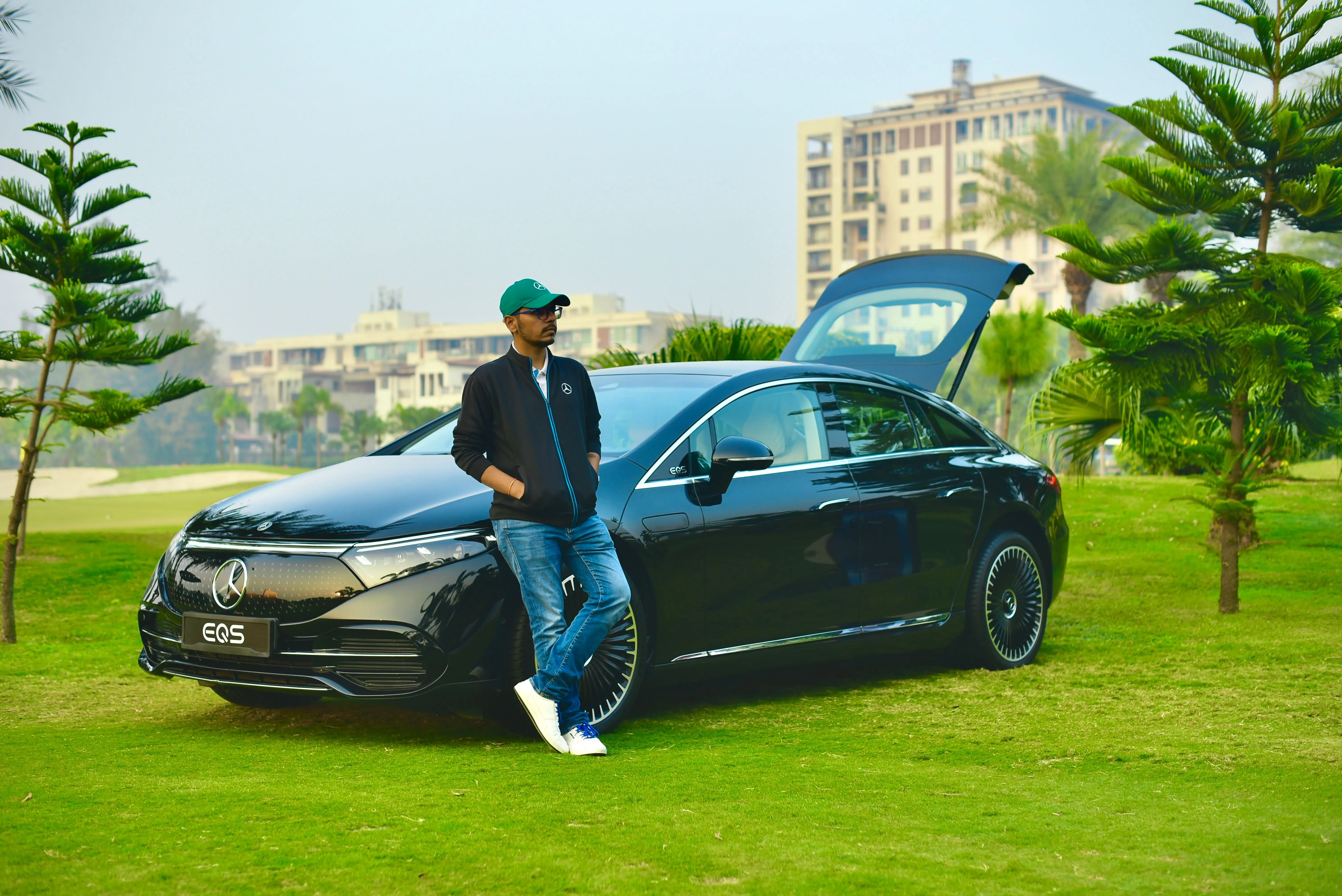
India's EV Transition Needs More Than One Solution
India's electric vehicle market is growing rapidly. From entry level electric scooters to luxury electric SUVs, buyers today have more EV options than ever before. Yet, many car buyers still hesitate to take a leap of faith, despite growing charging infrastructure and consumer awareness. The reasons are familiar.
What about long road trips?
What if charging isn't available where I am going?
What if this is my only family car?

This is where Plug-in Hybrid Electric Vehicles (PHEVs) enter the conversation. This conversation has become more interesting ever since BYD introduced its DM-i (Dual Mode Intelligent) technology to India, now the discussion around hybrids and EVs has a new form of electrification for India to understand.

But what exactly is DM-i?
How is it different from a traditional hybrid?
And how does it compare with plug-in hybrid systems used by luxury brands like Mercedes-Benz and BMW? Let's break it down.
What Is a Hybrid Vehicle?
Before understanding DM-i, it's important to understand how a conventional Strong Hybird works. A traditional Strong Hybrid vehicle combines a Petrol Engine, an Electric Motor and a Small Battery pack.
In most Strong Hybrid vehicles, the petrol engine remaines the primary source of power. The electric motor only acts as an assistant during low-speed driving, acceleration, and stop-go traffic conditions. The battery charges automatically through regenerative braking and the engine itself.
Popular examples include: Toyota Camry, Toyota Innova HyCross, Toyota Urban Cruiser Hyryder and Maruti-Suzuki Grand Vitara.
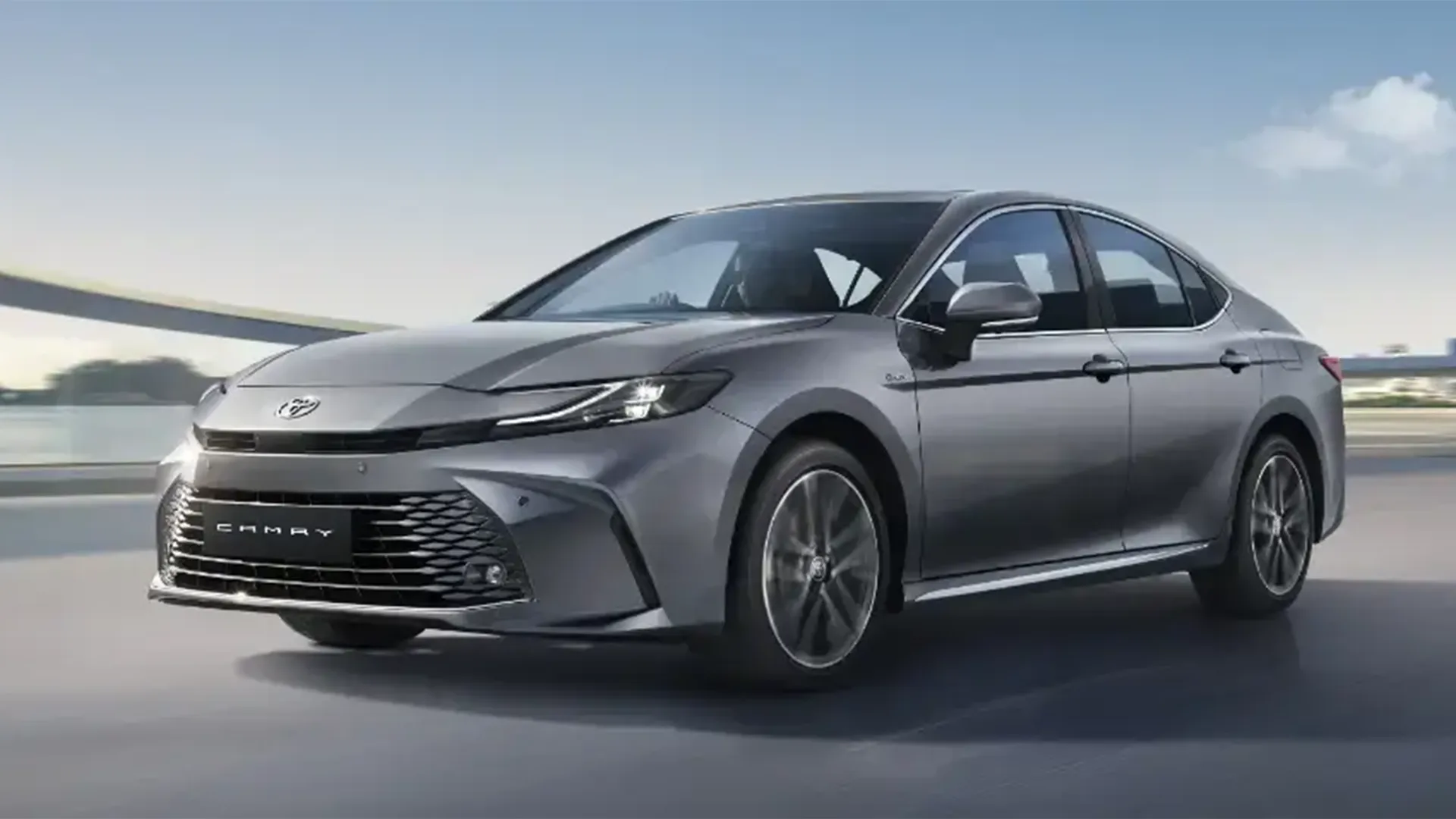
Toyota Camry Hybrid
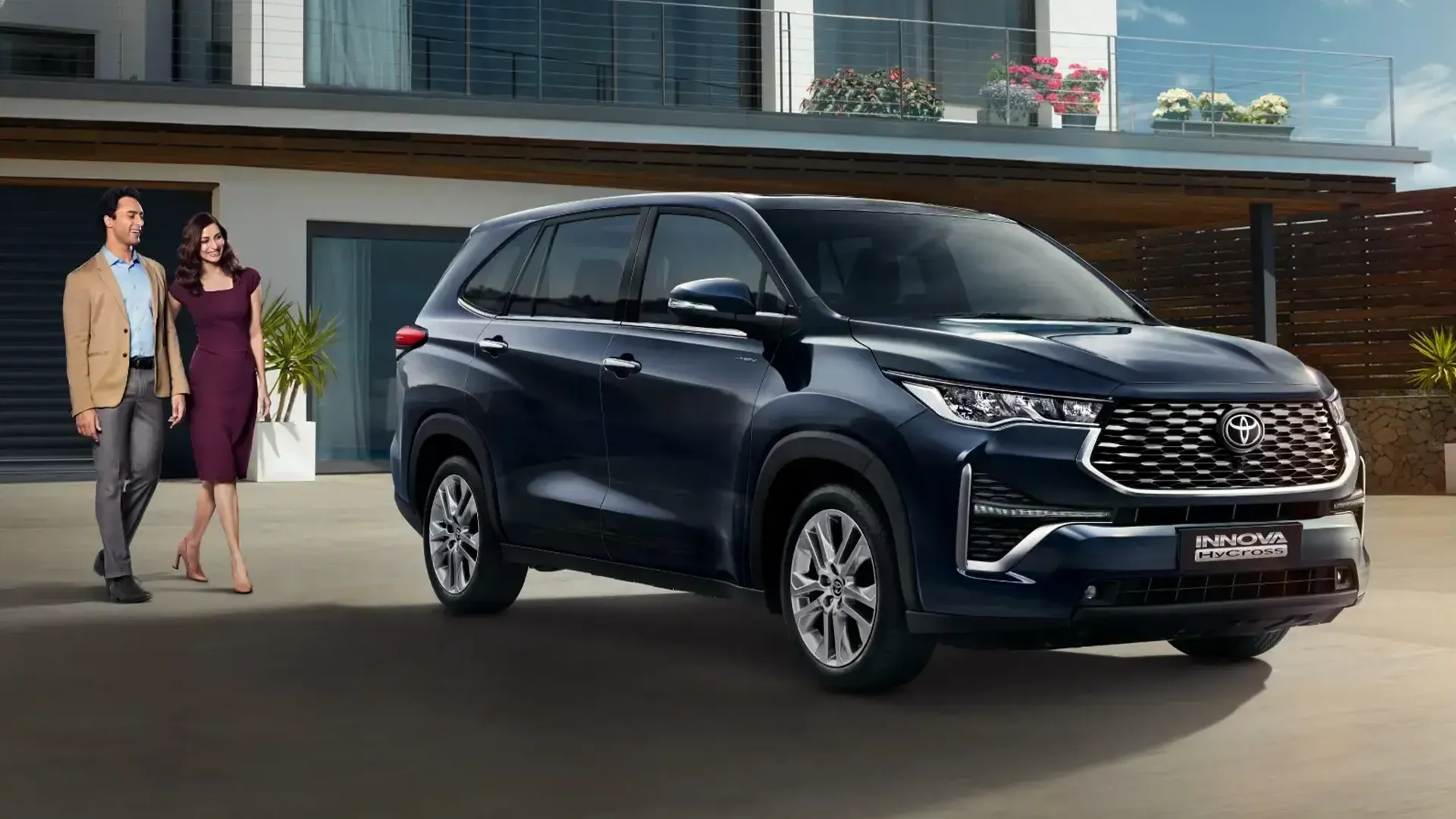
Toyota Innova Hycross Hybrid
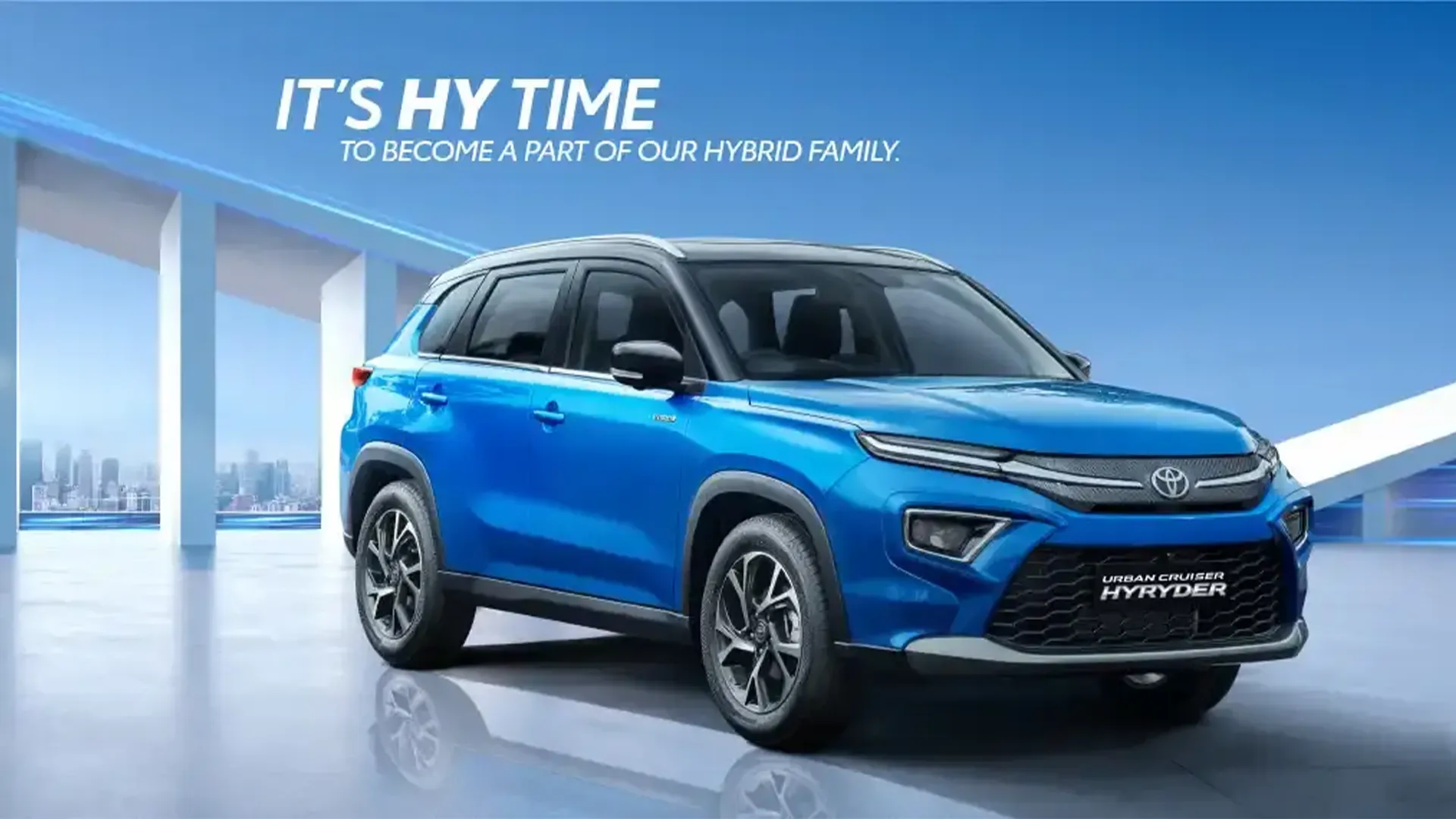
Toyota Hyryder Hybrid
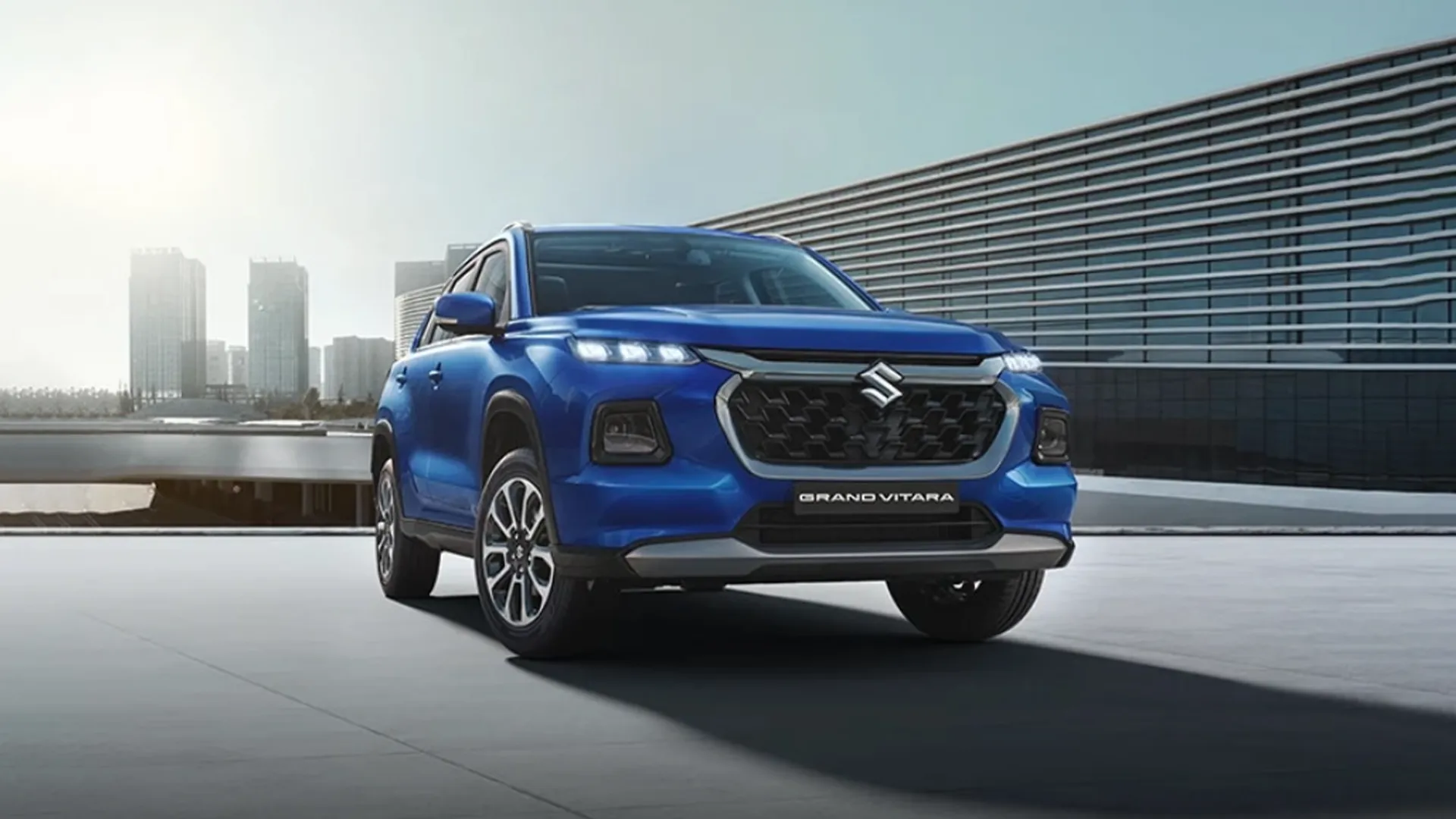
Maruti Suzuki Grand Vitara Hybrid
The Hybrid Philosophy
In a conventional hybrid, it's the Engine first with Electric assist. The engine does most of the work, the electric motor helps with efficiency and saves on fuel.
While these systems deliver excellent fuel economy, they generate offer limited pure-electric driving capability and for most journeys, the petrol engine remains active.
What is a Plug-in Hybrid Electric Vehicle (PHEV)?
A plug-in hybrid electric vehicle takes electrification a step further. Unlike traditional hybrids, PHEVs have a larger battery packs, more powerful electric motors, external charging capability. All of this means, the vehicle can be plugged into a charger just like a fully electric vehicle.
Many modern PHEVs can drive anywhere between 50 km to 120 km purely on electric power before the petrol engine becomes necessary. In theory, a PHEV allows owners to complete daily commutes without consuming fuel while retaining the flexibility of a petrol engine for long distance travel.
This is why PHEVs are considered as an effective bridge between ICE and Pure EVs.
Now Enters BYD DM-i: A PHEV with EV-First Approach. BYD's DM-i technology takes the PHEV concept and reimagines it.
The biggest difference lies in its fundamental philosophy. While most hybrids are engine-first, DM-i is electric-first. Instead of using electricity to support the engine, DM-i uses the engine primarily to support the electric drivetrain. Think of it this way, where a Traditional Hybrid has Petrol engine as a Main driver, while Electric Motor works as an Assistant. Whereas, BYD DM-i has Electric Motor as a main driver and the Petrol engine supports the system. This seemingly small change completely alters how the vehicle behaves on the road. For most daily driving situations, a DM-i vehicle feels remarkably similar to a fully electric vehicle. It is smoother, quieter, and delivers instant torque.
In simple terms, BYD has built a vehicle that priorities electric driving and uses the engine only when necessary. As BYD likes to describe it "An EV that carries its own charger."

How BYD DM-i Works?
The DM-i system intelligently switches between three operating modes depending on driving conditions, battery levels, and power demand. 1. EV Mode
This is the mode most owners are expected to use daily, where the EV mode Battery powers the motor, Engine remains off, Zero fuel consumption, Silent driving experience. For city commuting, school runs, office trips, and errands, the vehicle operates like a pure electric car.
2. Series Hybrid Mode
As battery levels decrease during longer journeys, the petrol engine starts operating. However, it doesn't drive the wheels. Instead, it functions as a generator. The engine produces electricity, which powers the motor and charges the battery simultaneously. The wheels continue to be driven by the electric motor. This helps preserve the smooth and refined driving feel associated with EVs.
A simple analogy? Think of your smartphone connected to a power bank. The phone continues running on battery power while the power bank keeps replenishing energy.
3. Parallel Hybrid Mode
When maximum performance is required, such as Highway overtakes, High-speed cruising and mountain drives.
The petrol engine and electric motor work together, both contribute to propulsion, ensuring strong acceleration and optimal efficiency. The dual-power approach allows DM-i vehicles to combine EV-like responsiveness with long-distance practicality.
Why BYD DM-i Is Different From Most PHEVs?
This is where DM-i stands apart. Many plug-in hybrids from premium brands still behave largely like conventional petrol cars with electric assistance. BYD's architecture reverses that relationship. The electric motor remains the primary source of propulsion for a much larger portion of driving. As a result, owners spend more time driving electrically and less time relying on fuel. The focus is not simply on reducing fuel consumption, but to maximizing electric driving and that distinction is important.
How Mercedes-Benz Plug-in Hybrids Work?
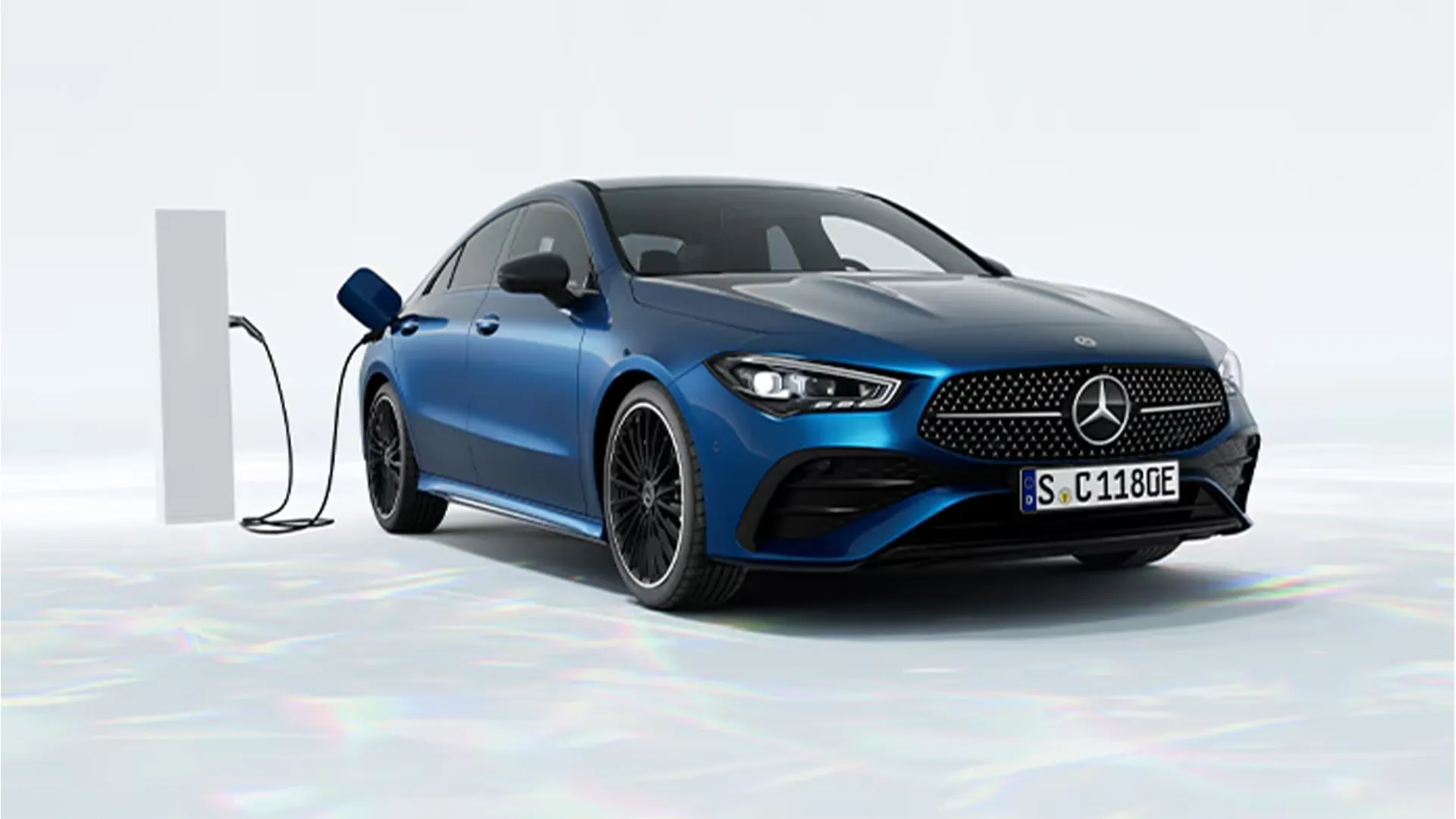
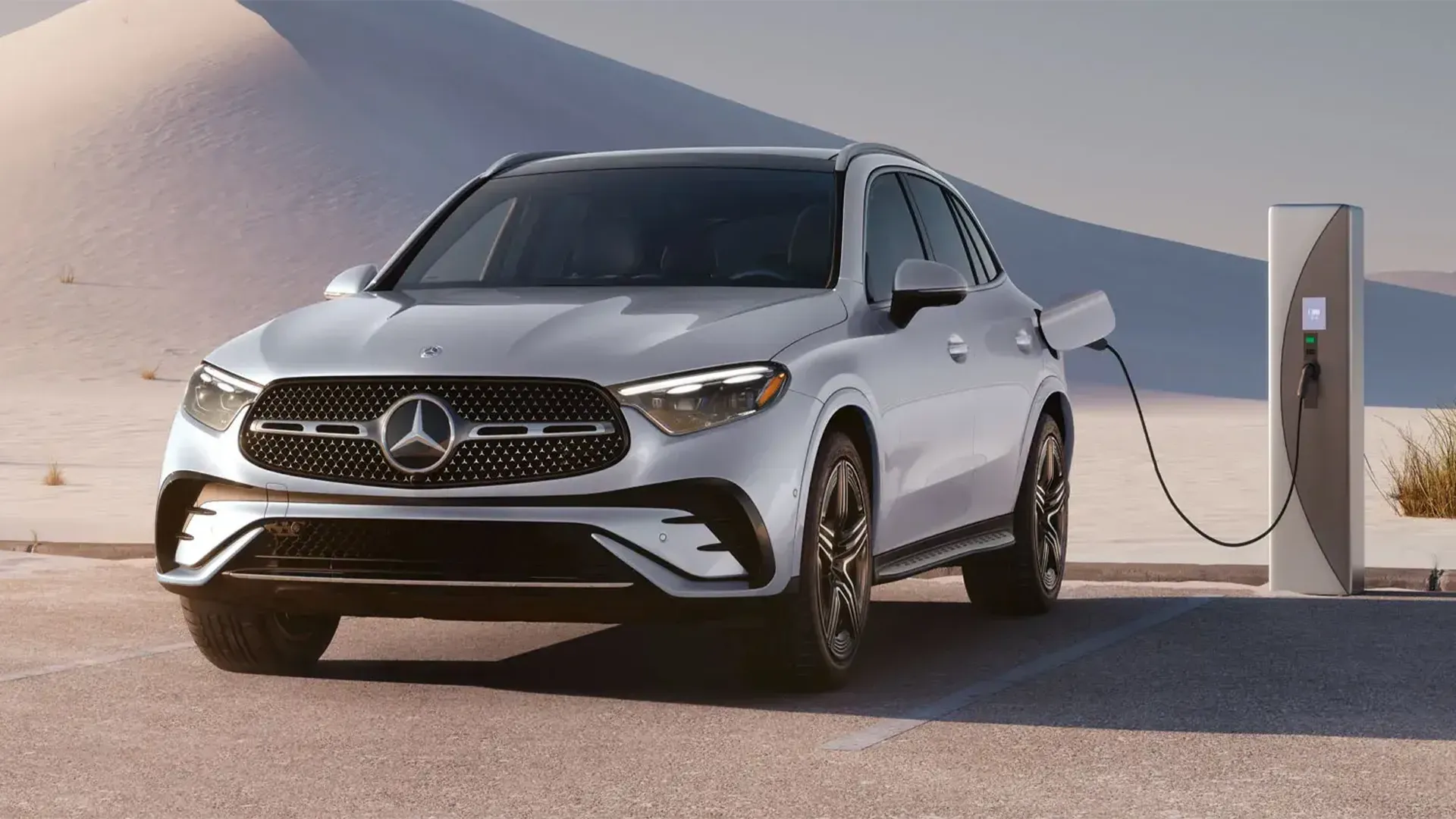
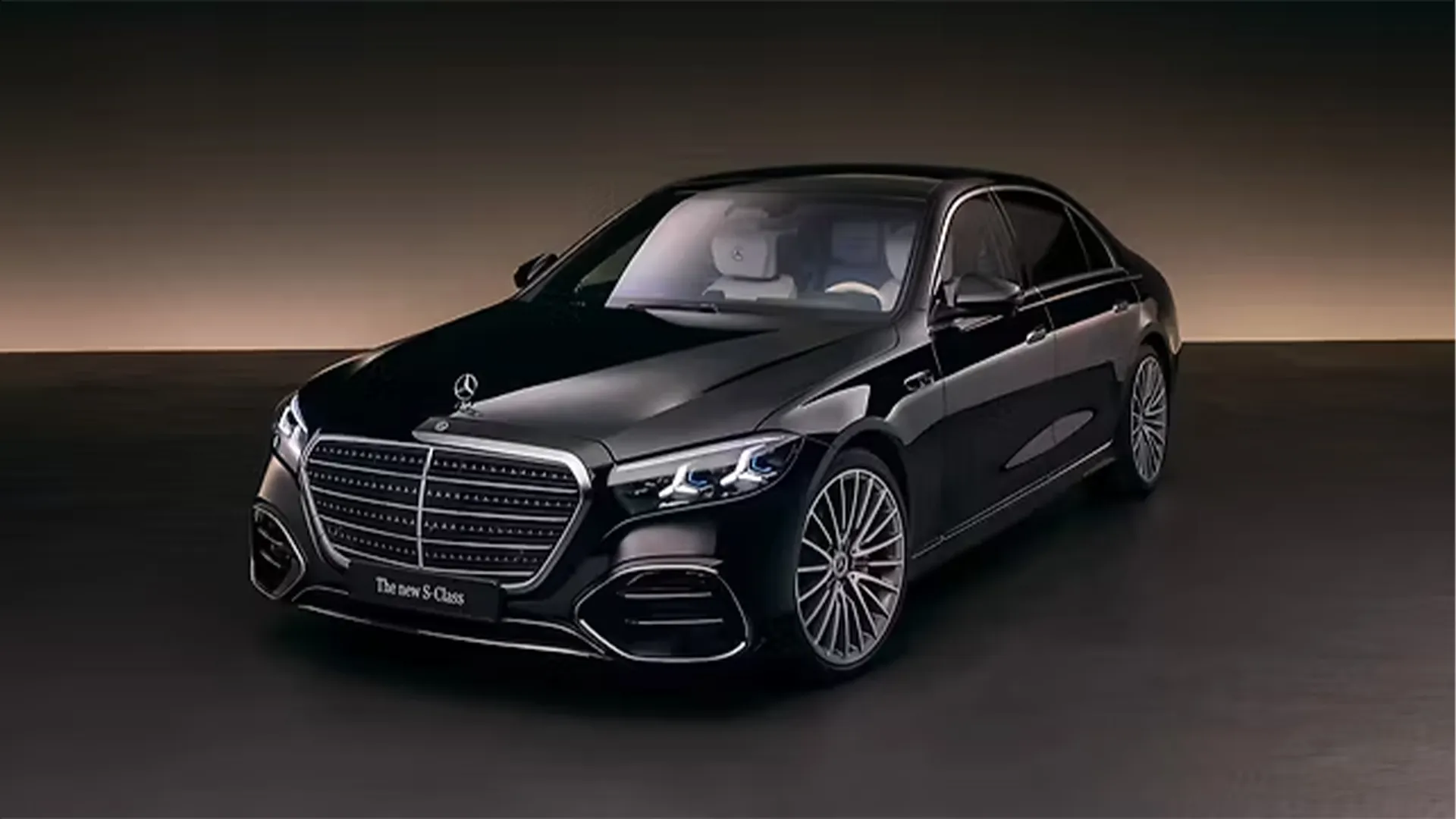
Mercedes-Benz offers several plug-in hybrid models globally, including C-Class, E-Class, GLC and S-Class. Mercedes typically uses a parallel hybrid architecture, where:
• Petrol engine drives the wheels. • Electric motor can independently power the vehicle. • Both can operate together.
Mercedes-Benz’s PHEVs often prioritize performance and luxury refinement rather than electric-dominant operation. Many modern Mercedes PHEVs offer impressive electric-only ranges exceeding 80-100 km, but the overall driving philosophy remains closer to a traditional luxury vehicle. The engine continues to play a significant role in propulsion.
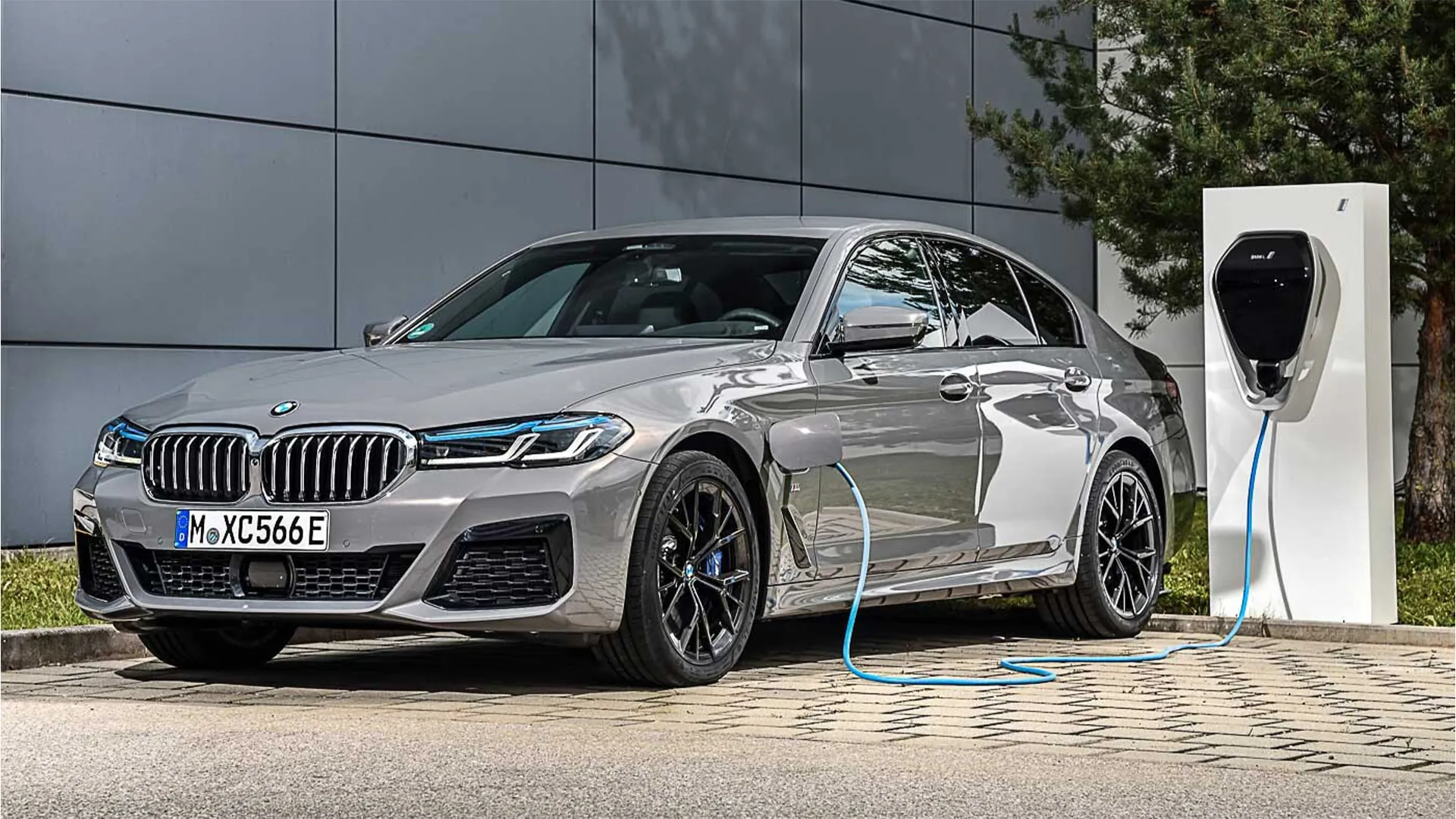
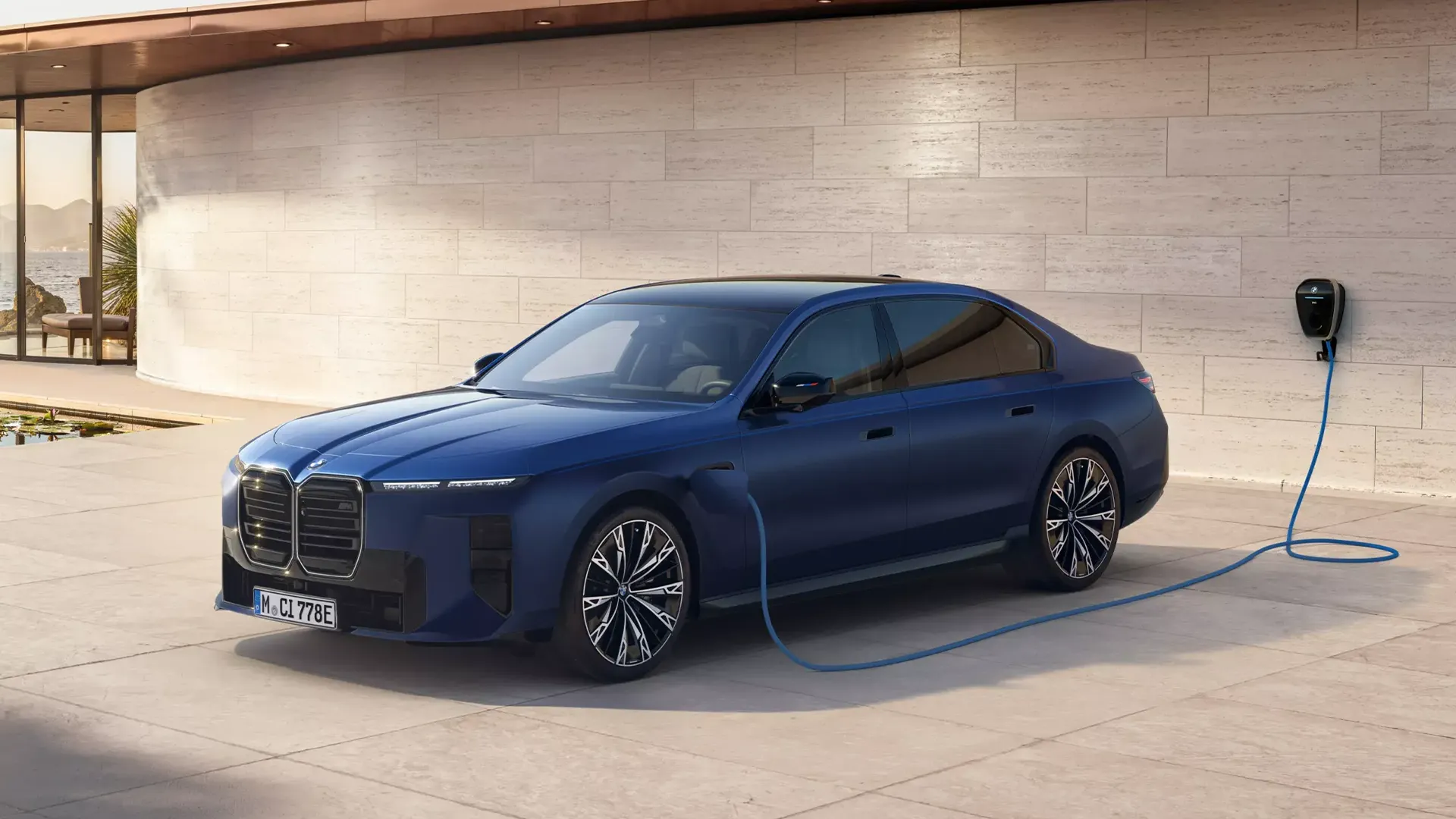
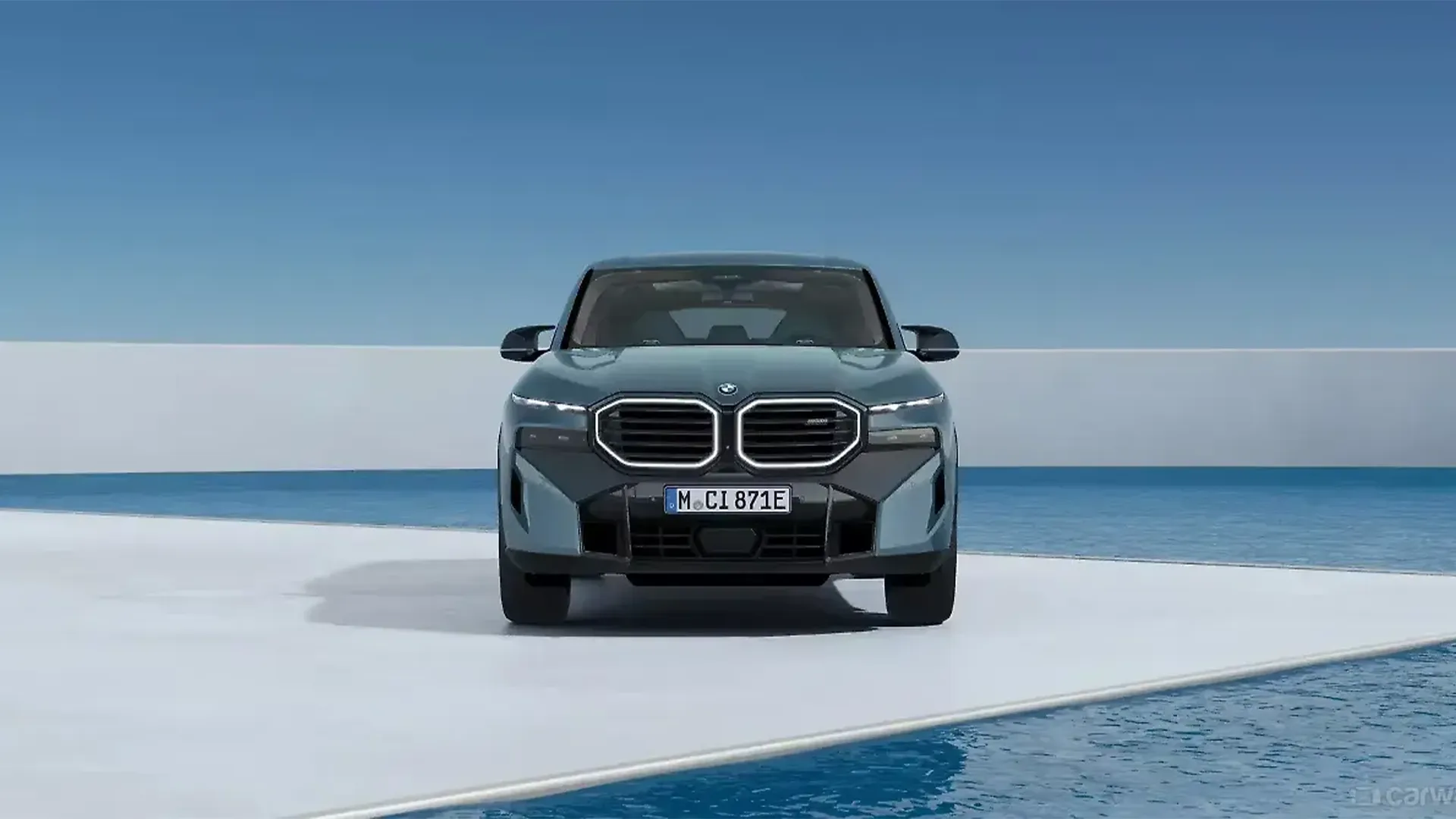
How BMW Plug-in Hybrids work?
BMW follows a similar strategy, some of the popular BMW PHEV models include X5 xDrive 50e, 330e, 530e, XM.
BMW's PHEV systems are performance-focused. The electric motor supplements the combustion engine to provide faster acceleration, improved efficiency and enhance responsiveness.
Their approach emphasis on driving dynamics and the petrol engine remains central to driving experience with electrification enhancing performance rather than replacing it.

Why DM-i Could Be Important for India?
India presents unique challenges for vehicle electrification. Charging infrastructure is improving rapidly but remains uneven outside major cities. Many consumers still rely on a single vehicle for all their transportation needs. This means buyers often want:
• Daily efficiency
• Low running costs
• Long-distance capability
• Freedom from charging anxiety
DM-i directly addresses these concerns. For urban driving, owners can enjoy electric mobility. For road trips, the engine provides backup support. This combination could make electrification more accessible for buyers who are interested in EVs but remain hesitant about going fully electric.
Is DM-i Better Than a Pure EV?
The answer depends entirely on your usage. If:
You have a reliable charging access.
Most travel is within the city limits.
You want zero tailpipe emissions.
A pure EV remains the most efficient solution. However, if:
You frequently undertake long-distance journeys.
Charing infrastructure remains a concern.
You want an easier transition from ICE.