

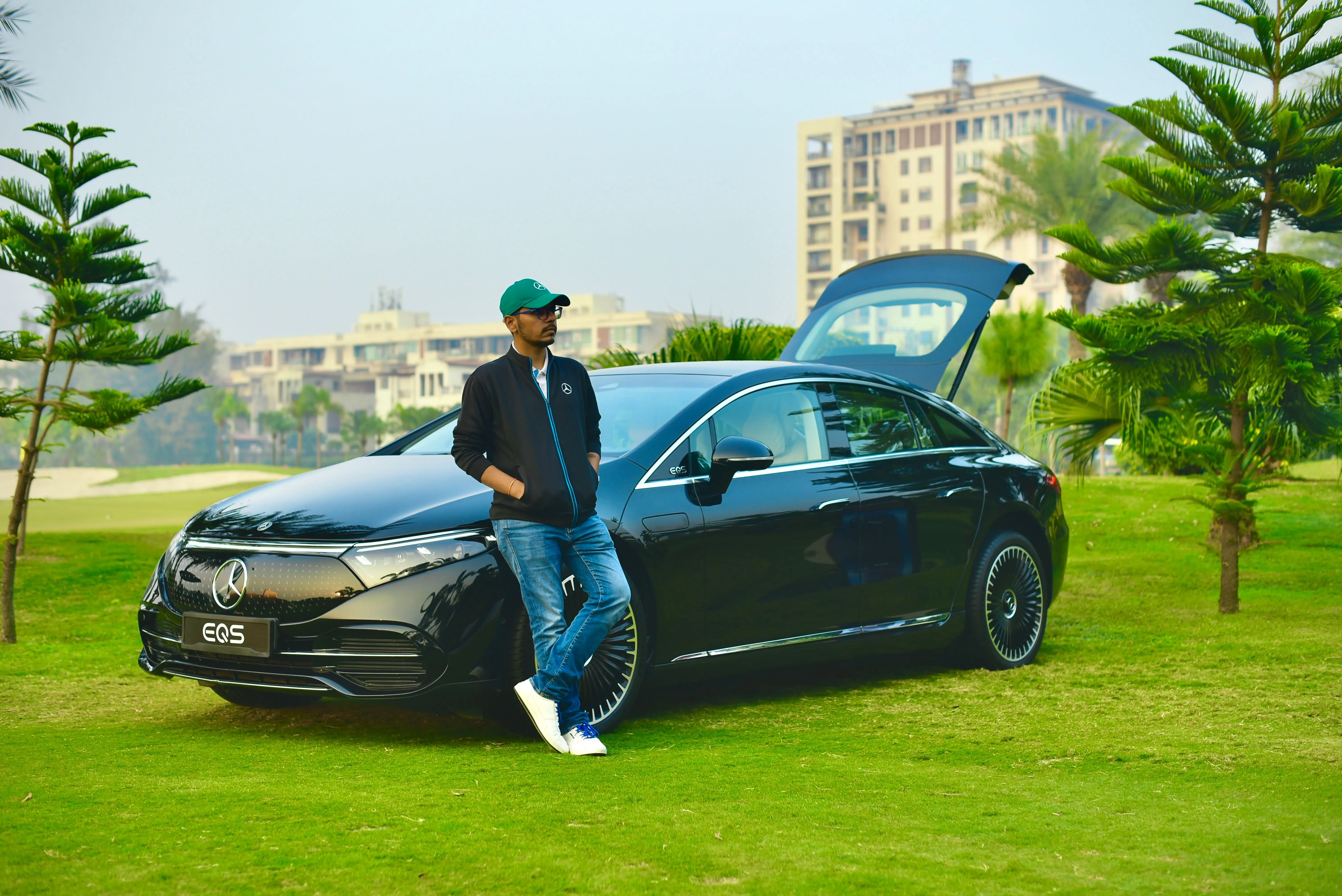
India Hits 50% Non‑Fossil Power Capacity – Ahead of Schedule.
India has achieved a monumental milestone: 50% of its installed electricity capacity now comes from non-fossil fuel sources, marking this target five years ahead of the Paris Agreement 2030 goal. As of July 2025, out of 484.8 GW total, 242.8 GW is from renewables, hydro, and nuclear sources.
But there’s a catch!
The actual power generation remains heavily reliant on coal, since renewables produced only about 240 TWh of the 2,030 TWh generated in 2024. Highlighting a familiar truth: Installed capacity ≠ Clean generation. The transition requires integrating renewables, boosting storage and shutting down the coal plants in a phase manner.
Why EVs matter: A path to cleaner transport?
Electrifying mobility is a linchpin to reducing CO₂ and local air pollution.
Here's how & why EVs outperform the ICE vehicles over the lifetime of use:
1. Lifecycle Emissions payback is fast: As per the report from ICCT-backed lifecycle analysis found that in Europe, The battery production Carbon debt is neutralized after 17,000 kms of Driving. As electricity grids decarbonise, that advantage only grows.
2. Lower Emissions even on dirty grids
An ICCT-supported Carbon Brief fact‑check confirms that even with coal-heavy generation, EVs show lifecycle emissions significantly lower than ICE vehicles contradicting myths that EVs are only clean when charged from green sources.
3. The ICCT on smart charging
New research from ICCT and partner RAP highlights that flexible charging strategies shift charging to off-peak hours and can deliver significant grid and emissions benefits in high-renewables countries like India.
India’s EV ambition & real‑world impact
India is scaling EV uptake through initiatives like FAME II, state subsidies, and mandates requiring charging every 25 km on highways.
But the full environmental impact depends on a lot of external factors like:
Coupling EV growth with cleaner electricity: As renewables and storage expand, EVs will deliver stronger climate gains.
Smart grid integration: Unlocking benefits from flexible charging and vehicle-to-grid models (which is untapped in India).
Push for public transit electrification: Adding electric commercial vehicles like Buses, Trucks, three-wheelers and cabs would help a lot to amplify the gains.
Comparing Lifetime Emissions: EV vs ICE
As India’s grid evolves, lifecycle savings will grow. Coupled with clean energy, electrified transport can deliver the effective emission cuts India needs.
Going ahead, the synergy of EVs and clean power.
Grid-first path: Prioritize renewable + storage build-out and coal phase-out.
e-charging: Incentivising charging during peak renewable generation.
Scale EVs with equity: Support rural fleet electrification and urban mass transit.
Integrate transport and power planning: Maximise synergy across infrastructure and policy.
Conclusion
India’s 50% milestone in non-fossil capacity is a major step, but without matching clean generation, the gains are limited. Electric vehicles offer a powerful leveler: lifecycle emissions reductions, cleaner air, and synergy with the renewable grid transition. Guided by ICCT’s data-driven insights, India can shape a mobility revolution that’s clean, smart, and equitable.